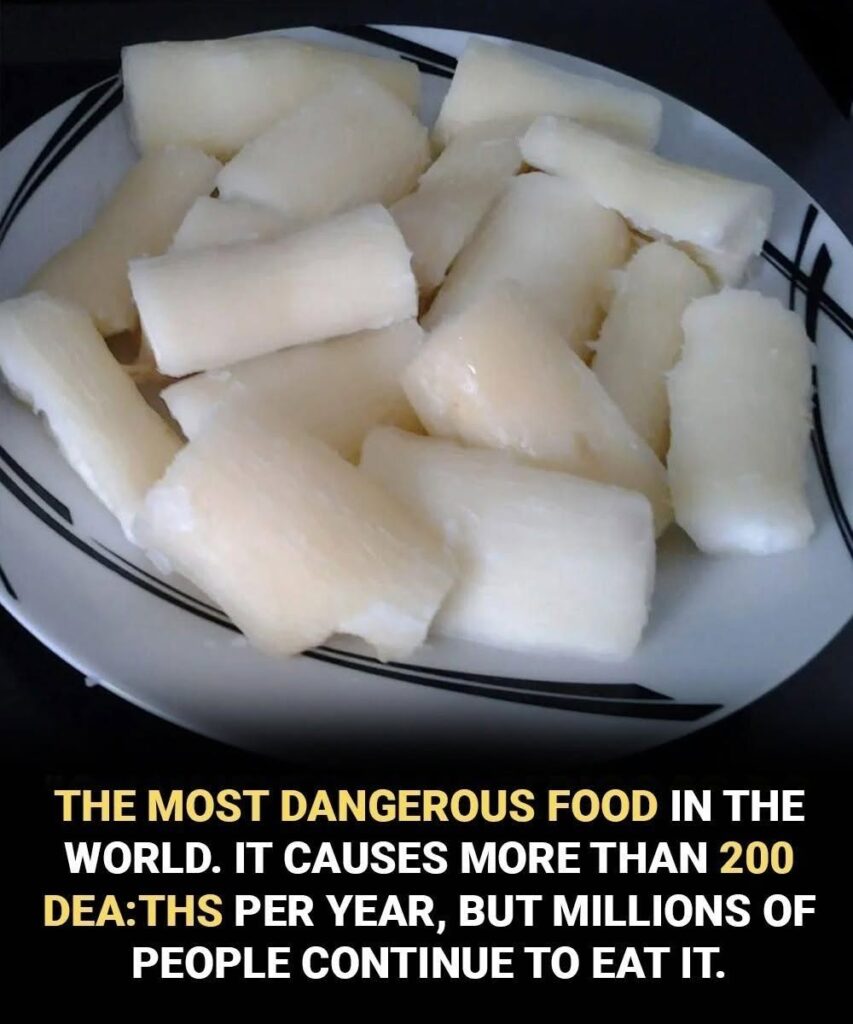
How Traditional Cultures Made Cassava Safe
ADVERTISEMENT
One of the most remarkable aspects of cassava’s history is the sophisticated preparation techniques developed by communities that relied on it as a staple food.
These methods include:
Peeling
The highest concentrations of cyanogenic compounds are often found in the peel and just beneath the skin.
ADVERTISEMENT
Removing these layers is an important first step.
Soaking
Extended soaking helps break down and remove unwanted compounds.
Fermentation
Many traditional cassava foods rely on fermentation, which contributes both flavor and safety.
Drying
Sun-drying and roasting help reduce naturally occurring compounds through heat and evaporation.
Thorough Cooking
Boiling cassava until fully cooked remains one of the most important preparation steps.
Traditional methods often involve discarding the cooking water after boiling.
What Happens When Cassava Is Improperly Processed?
In areas where cassava serves as a major food source, problems can occur when proper preparation methods are interrupted.
Historically, risks have been associated with situations such as:
- Food shortages
- Drought conditions
- Conflict zones
- Limited access to fuel or clean water
- Loss of traditional food-processing knowledge
These circumstances can make it difficult to follow the preparation methods that have traditionally ensured cassava’s safety.
Is Store-Bought Cassava Safe?
For most consumers purchasing cassava from supermarkets or reputable markets, the answer is generally yes—provided it is prepared correctly.
When cooking fresh cassava at home:
- Peel it deeply before cooking
- Remove any fibrous core if present
- Cook thoroughly until soft
- Never consume raw cassava
- Follow preparation instructions carefully
Most commercially sold cassava intended for home cooking is the lower-toxicity “sweet” variety.
Popular Foods Made from Cassava
Cassava appears in a surprising number of foods enjoyed around the world.
Examples include:
Tapioca
The starch extracted from cassava is used to make tapioca pearls and puddings.
Fufu
A traditional West African staple made from processed cassava.
Gari
A fermented and roasted cassava product widely consumed in West Africa.
Cassava Fries
A popular alternative to potato fries in many countries.
Cassava Flour
A gluten-free flour increasingly used in baking and cooking.
A Story of Knowledge and Resilience
Cassava’s history is about far more than food.
It is a powerful example of how generations of people learned to work with nature, developing sophisticated preparation techniques that transformed a potentially problematic root into one of the world’s most important sources of nourishment.
Rather than being a reason for concern, cassava’s story highlights the value of traditional food knowledge and the ingenuity of communities that have relied on this remarkable crop for centuries.
Final Thoughts
Cassava remains one of the most important staple foods on the planet, feeding hundreds of millions of people every day. While certain varieties contain naturally occurring compounds that require proper preparation, traditional techniques such as peeling, soaking, fermenting, drying, and cooking have made cassava a safe and reliable food source for generations.
Its story is a reminder that some of humanity’s most valuable foods come with centuries of wisdom, skill, and cultural knowledge behind them.
ADVERTISEMENT