ADVERTISEMENT
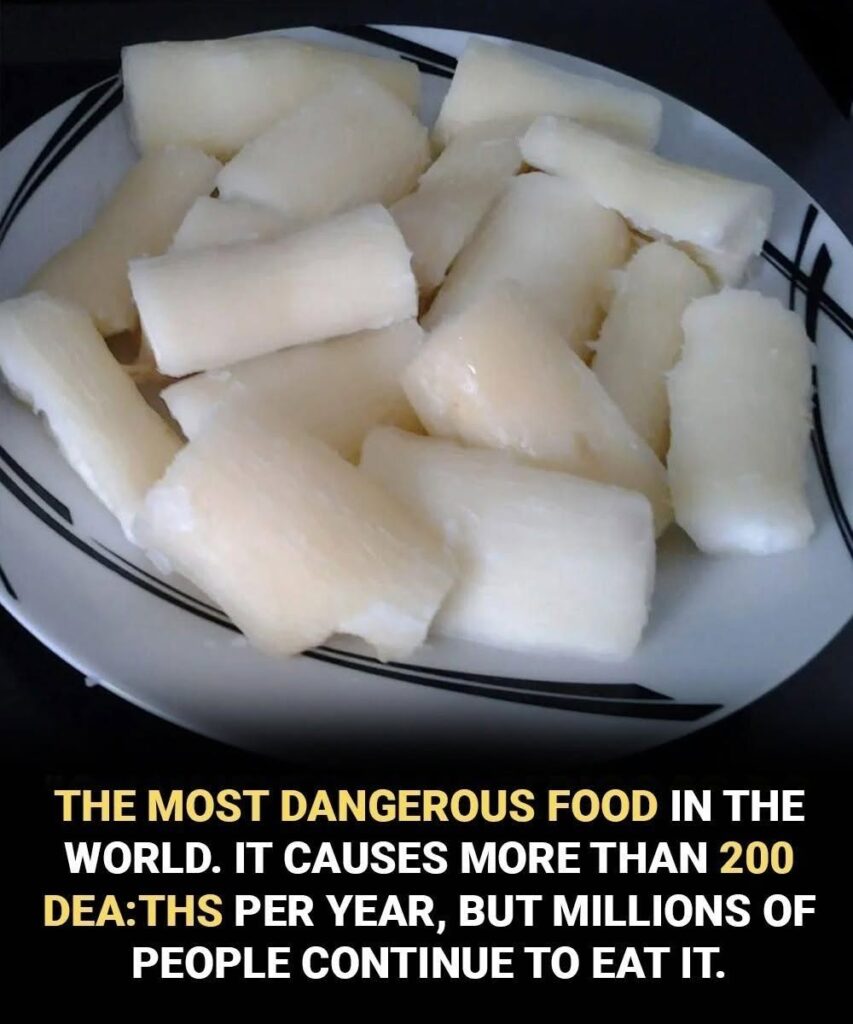
Cassava feeds hundreds of millions worldwide, but few people know about its natural defense compounds. Learn how traditional preparation methods make this versatile root safe and nutritious.
The Staple Food That Feeds Nearly a Billion People
From crispy street snacks in Brazil to traditional fufu in West Africa and tapioca pearls in bubble tea shops across Asia, cassava is one of the world’s most important food crops.
Known by many names—including yuca, manioc, and mandioca—this starchy root has sustained communities for centuries. It’s drought-resistant, affordable, filling, and remarkably versatile, making it a staple food for hundreds of millions of people worldwide.
ADVERTISEMENT
Yet cassava has a fascinating secret.
In its raw state, certain varieties contain naturally occurring compounds that require proper preparation before consumption. Far from being a reason to avoid cassava, this fact highlights the remarkable food knowledge that cultures around the world have developed over generations.
What Is Cassava?
Cassava is a root vegetable native to South America that is now cultivated throughout tropical regions across Africa, Asia, and Latin America.
It is valued because it:
- Produces high yields in difficult growing conditions
- Tolerates drought better than many crops
- Provides an excellent source of carbohydrates
- Can be processed into flour, starch, and countless traditional foods
Today, cassava is one of the most important staple crops on Earth.
The Science Behind Cassava’s Natural Defense System
Cassava plants naturally contain compounds known as cyanogenic glycosides.
These substances serve as the plant’s built-in defense mechanism against insects, animals, and other threats.
Interestingly, the compounds themselves remain relatively stable while contained within intact plant cells.
The issue arises when the plant tissue is damaged through:
- Cutting
- Crushing
- Grating
- Chewing
- Processing
When this happens, enzymes interact with the compounds and can produce hydrogen cyanide as part of a natural chemical reaction.
This defense system helps protect the plant in nature but also explains why proper preparation is so important.
Sweet Cassava vs. Bitter Cassava
Not all cassava varieties contain the same levels of cyanogenic compounds.
Sweet Cassava
Sweet cassava generally contains lower levels of these compounds and is the variety most commonly available in grocery stores.
When properly peeled and thoroughly cooked, it is widely consumed as a safe food source.
Bitter Cassava
Bitter cassava contains significantly higher concentrations of cyanogenic glycosides and requires more extensive processing before consumption.
Traditional communities have developed effective methods for safely preparing these varieties over many generations.
How Traditional Cultures Made Cassava Safe
See more on the next page to continue reading →
ADVERTISEMENT