ADVERTISEMENT
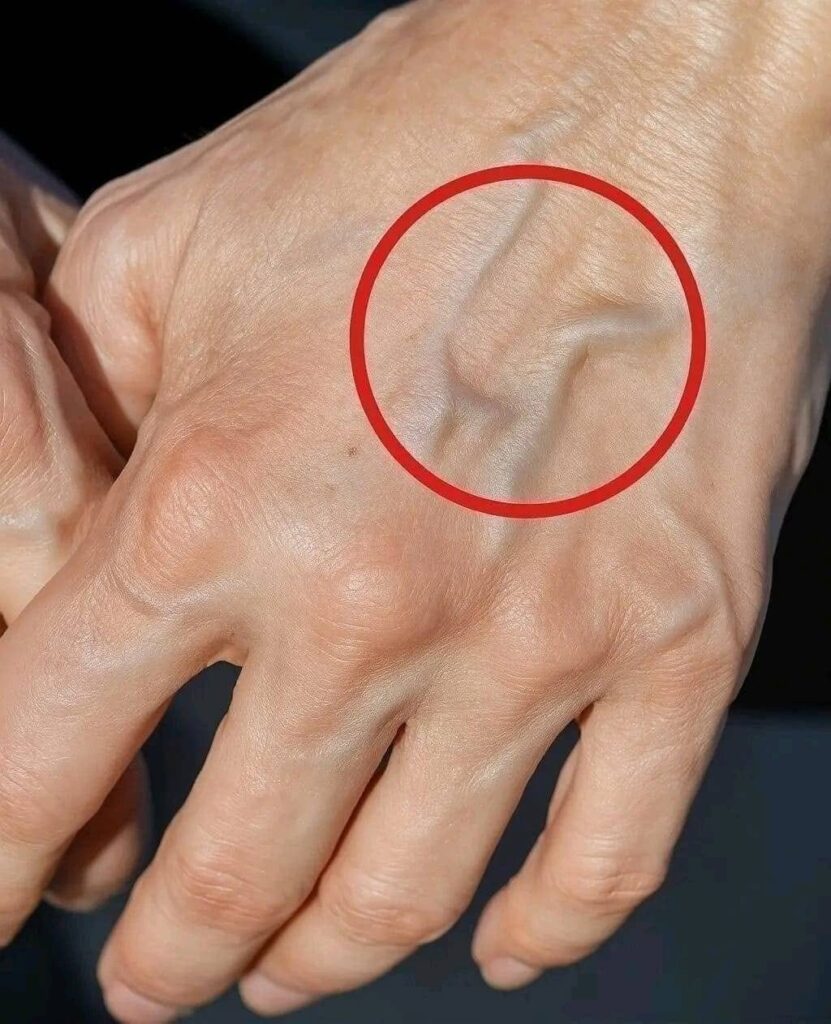
Noticing blue, green, or purple veins becoming more visible beneath your skin can be surprising. Many people immediately wonder if these prominent veins are a sign of poor circulation or an underlying heart or vascular problem.
Fortunately, visible veins are usually a normal variation of human anatomy. In most healthy adults, they simply reflect factors such as body composition, skin characteristics, age, temperature, and physical activity—not a circulatory disease.
Understanding why veins become more noticeable can help you distinguish between harmless changes and symptoms that deserve medical attention.
ADVERTISEMENT
What Makes Veins Visible?
Veins are responsible for carrying oxygen-depleted blood back to the heart. How visible they appear depends on several natural factors that influence their position beneath the skin and how easily light passes through surrounding tissues.
1. Low Body Fat
One of the most common reasons for visible veins is a lower amount of subcutaneous fat—the layer of tissue located between your muscles and skin.
When this layer becomes thinner due to:
- Weight loss
- Regular exercise
- Athletic conditioning
- Naturally lean genetics
the veins underneath become easier to see.
This is especially common among athletes, bodybuilders, runners, and physically active individuals.
2. Genetics and Skin Type
Genetics play a major role in vein visibility.
People with:
- Fair skin
- Thin skin
- Lower skin pigmentation
- Naturally translucent skin
often have more noticeable veins because there is less tissue and pigment covering the blood vessels.
This is simply a normal inherited characteristic.
3. Exercise and Increased Blood Flow
After exercise, many people notice their veins becoming larger and more defined.
Physical activity temporarily increases blood flow to working muscles while the muscles themselves expand, pushing nearby veins closer to the surface.
This temporary enlargement is commonly referred to as a muscle pump and is considered a normal physiological response to exercise.
4. Aging
As we age, several natural changes occur:
- Skin gradually becomes thinner.
- Collagen production decreases.
- Elasticity is reduced.
- Fat beneath the skin slowly diminishes.
These changes make veins more visible, particularly on the:
- Hands
- Forearms
- Feet
- Lower legs
For many older adults, prominent veins are simply a normal part of healthy aging.
5. Warm Temperatures
See more on the next page to continue reading →
ADVERTISEMENT