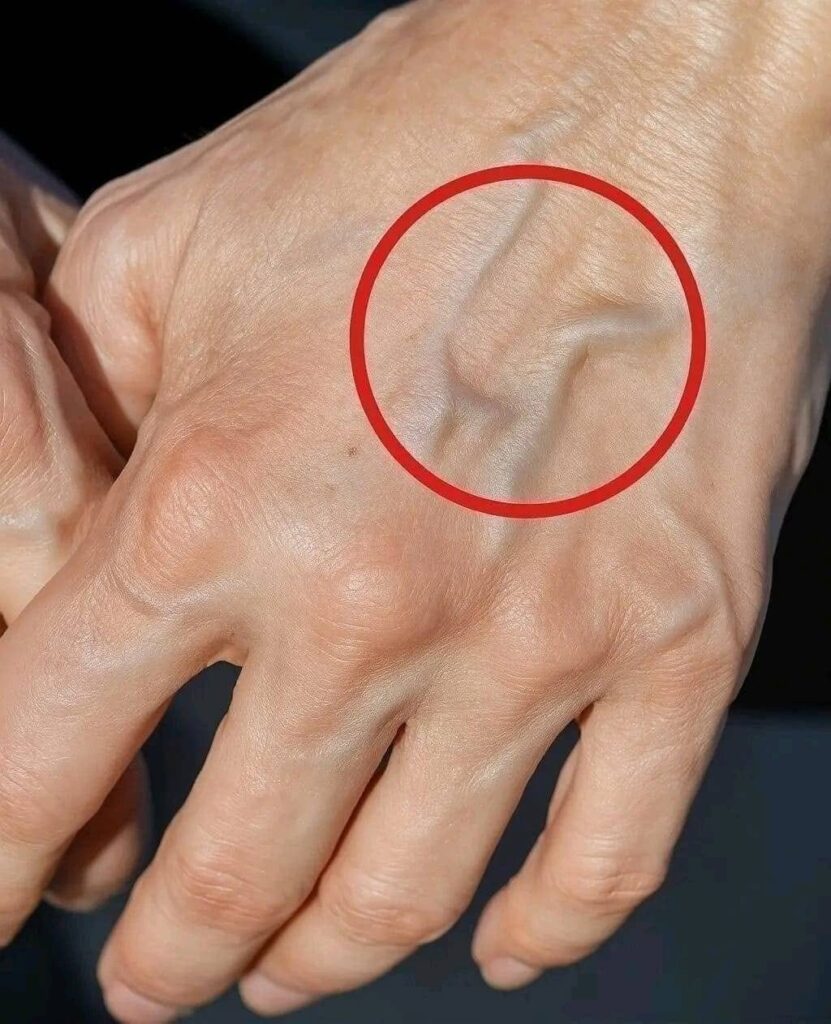
5. Warm Temperatures
ADVERTISEMENT
Heat causes blood vessels to widen in a process called vasodilation.
This helps the body release excess heat and regulate temperature.
As veins expand, they often become easier to see, especially during:
ADVERTISEMENT
- Hot weather
- Warm showers
- Saunas
- Physical activity
Once the body cools, veins typically become less noticeable again.
Do Visible Veins Mean Poor Circulation?
In most cases, no.
Visible veins alone are not considered a sign of poor circulation.
In fact, clearly visible, straight veins often indicate that blood is flowing normally back toward the heart.
Poor circulation usually involves reduced blood flow and is accompanied by symptoms beyond simple vein visibility.
Symptoms That May Indicate a Circulation Problem
While visible veins are generally harmless, certain symptoms may point to an underlying vascular condition.
Seek medical evaluation if you experience:
- Persistent numbness or tingling
- Cold hands or feet even in warm environments
- Swelling in the ankles, feet, or legs
- Leg pain during walking that improves with rest
- Skin discoloration
- Slow-healing wounds
- Persistent cramping
- Unexplained weakness in a limb
These symptoms may be related to circulatory disorders and should be assessed by a healthcare professional.
When Visible Veins May Require Medical Attention
Most visible veins remain flat and painless.
However, changes in their appearance may indicate a vein disorder.
Consult a healthcare provider if your veins become:
- Bulging
- Twisted
- Rope-like
- Painful
- Warm to the touch
- Red or inflamed
- Associated with significant swelling
These changes deserve medical evaluation.
Understanding Varicose Veins
One common condition affecting veins is varicose veins.
Healthy veins contain one-way valves that keep blood moving toward the heart.
When these valves weaken, blood can pool inside the veins instead of flowing efficiently upward.
Over time, this increased pressure causes veins to become:
- Enlarged
- Twisted
- Raised
- Dark blue or purple
Symptoms may include:
- Aching legs
- A feeling of heaviness
- Swelling
- Burning or throbbing sensations
- Nighttime leg cramps
- Skin changes around the ankles
Although varicose veins are often not dangerous, treatment may improve symptoms and help prevent complications.
Tips for Supporting Healthy Veins
Healthy lifestyle habits can support good circulation and overall vascular health.
Helpful habits include:
- Exercising regularly
- Maintaining a healthy body weight
- Staying hydrated
- Avoiding prolonged sitting or standing
- Elevating your legs when resting
- Wearing compression stockings if recommended by your healthcare provider
- Eating a balanced diet rich in fruits, vegetables, and fiber
These habits help promote healthy blood flow throughout the body.
Frequently Asked Questions
Why are my hand veins suddenly more visible?
Common causes include weight loss, exercise, aging, warm temperatures, or naturally thin skin.
Can dehydration make veins stand out?
Mild dehydration may temporarily affect vein appearance in some individuals, although it is usually not the primary cause.
Are visible veins a sign of heart disease?
Visible veins alone are not considered a sign of heart disease. However, if they are accompanied by swelling, pain, shortness of breath, or other concerning symptoms, medical evaluation is recommended.
Should I be worried if only one vein becomes larger?
A single prominent vein isn’t always abnormal. However, if it appears suddenly, becomes painful, swollen, or changes significantly in appearance, consult a healthcare professional.
Final Thoughts
Visible veins are a common and usually harmless part of human anatomy. Factors such as low body fat, genetics, aging, exercise, and warm temperatures frequently make veins more noticeable without indicating any health problem.
The key difference lies in the symptoms. Flat, painless veins that gradually become more visible over time are typically normal. However, veins that become swollen, twisted, painful, or are accompanied by swelling, skin changes, or circulation-related symptoms should be evaluated by a healthcare provider.
Understanding these normal physiological changes can help reduce unnecessary concern while ensuring that genuine vascular problems receive appropriate medical attention.
ADVERTISEMENT