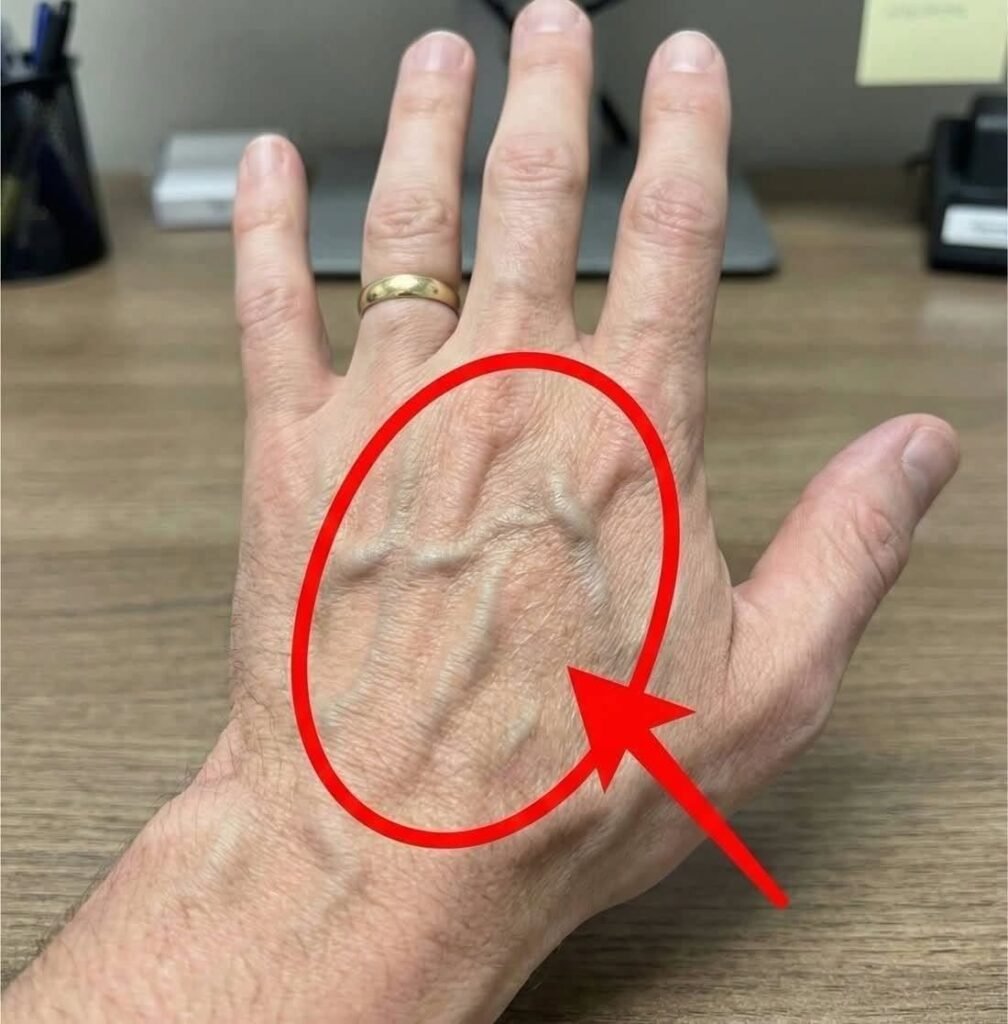
4. Natural Aging
ADVERTISEMENT
As we grow older, our skin gradually becomes thinner and loses some of its collagen and elasticity.
At the same time, the layer of fat beneath the skin may decrease.
These natural age-related changes make veins easier to see, particularly on the:
ADVERTISEMENT
- Hands
- Forearms
- Feet
- Legs
Visible veins are considered a normal part of healthy aging for many adults.
5. Genetics
Some people simply inherit more visible veins.
Family history influences:
- Skin thickness
- Body fat distribution
- Vein size
- Skin pigmentation
If close relatives have noticeable veins, there’s a good chance you will too.
6. Fair or Thin Skin
People with lighter or thinner skin often notice veins more easily because there is less pigment and tissue covering the blood vessels.
This variation is completely normal and simply reflects differences in skin characteristics.
Are Visible Veins Dangerous?
In most cases, no.
Visible veins alone are usually harmless, especially when they:
- Are not painful
- Have always been present or developed gradually
- Appear after exercise or in warm weather
- Are not swollen or tender
Many healthy individuals naturally have noticeable veins.
When Visible Veins May Need Medical Attention
Although visible veins are usually normal, certain symptoms may indicate an underlying circulation problem.
Consider speaking with a healthcare professional if visible veins are accompanied by:
- Sudden swelling of an arm or leg
- Persistent pain or tenderness
- Warmth or redness over the vein
- Hard, cord-like veins
- Skin discoloration
- Open sores near the ankles
- Rapidly appearing enlarged veins without an obvious reason
These symptoms may require medical evaluation.
Understanding Varicose Veins
One condition that causes veins to become much more noticeable is varicose veins.
Varicose veins develop when valves inside the veins weaken, allowing blood to pool instead of flowing efficiently back toward the heart.
Common symptoms include:
- Bulging, twisted veins
- Aching or heavy legs
- Burning or throbbing discomfort
- Swelling around the ankles
- Itching near affected veins
While often not dangerous, severe cases may benefit from medical treatment.
Spider Veins vs. Normal Veins
Many people confuse visible veins with spider veins.
Normal Visible Veins
- Blue or green
- Slightly raised or flat
- Usually painless
- Common on hands, arms, and feet
Spider Veins
- Thin red, purple, or blue lines
- Web-like appearance
- Usually found on the legs or face
- Mostly cosmetic, though sometimes associated with venous insufficiency
How to Support Healthy Circulation
Maintaining healthy circulation can help keep your veins functioning properly.
Healthy habits include:
- Staying physically active
- Maintaining a healthy weight
- Drinking enough water
- Avoiding prolonged sitting or standing
- Elevating your legs when resting
- Wearing compression stockings if recommended by your healthcare provider
These habits support overall vascular health.
Frequently Asked Questions
Why are my hand veins suddenly more visible?
Common causes include weight loss, warm temperatures, exercise, aging, or temporary increases in blood flow.
Do visible veins mean poor circulation?
Not usually. In fact, visible veins often occur in people with perfectly healthy circulation.
Can dehydration make veins stand out?
Mild dehydration may temporarily affect the appearance of veins in some individuals, but it is usually not the primary reason they become visible.
Should I worry if only one vein becomes prominent?
A single enlarged vein isn’t always a problem. However, if it appears suddenly or is accompanied by pain, swelling, redness, or warmth, it’s best to seek medical advice.
Final Thoughts
Seeing your veins become more visible can be surprising, but in most cases, it is simply a natural result of changes in body fat, aging, physical activity, temperature, genetics, or skin type. These visible veins are often a sign of normal circulation rather than a medical problem.
The key is to pay attention to accompanying symptoms. If your veins are painless and you’ve simply noticed them becoming more noticeable over time, there’s usually no cause for concern. However, if you experience swelling, pain, redness, warmth, or sudden changes, consulting a healthcare professional is the safest course of action.
Understanding these natural changes can help you appreciate how your circulatory system works while recognizing the situations in which professional medical evaluation is appropriate.
ADVERTISEMENT