Fresh vs. Frozen Ground Beef
ADVERTISEMENT
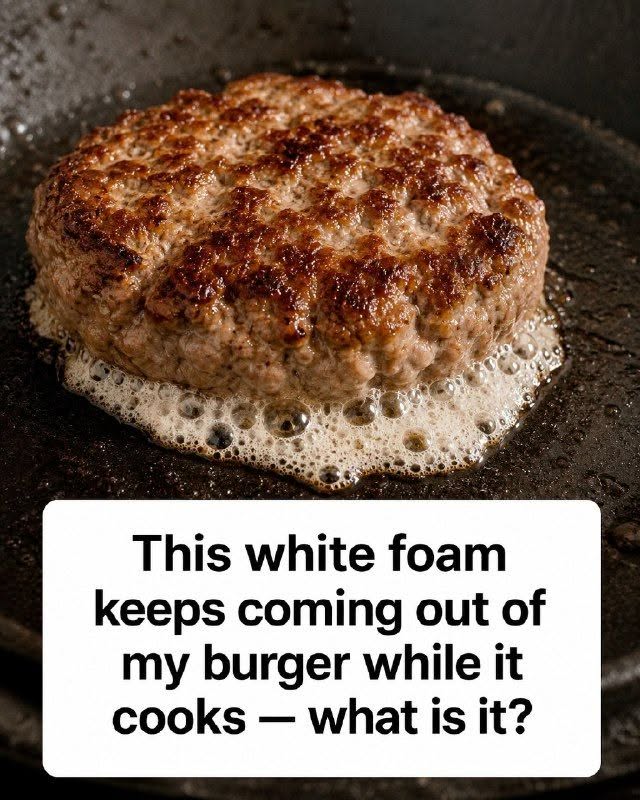
Frozen burgers often produce more foam than fresh patties.
That’s because freezing creates tiny ice crystals inside the meat. As they melt during cooking, extra moisture is released, increasing the amount of protein-rich liquid that reaches the surface.
Some frozen burger products may also contain added water or seasonings, which can contribute to additional bubbling.
ADVERTISEMENT
Does Meat Quality Matter?
The quality of the ground beef can influence how much foam appears.
Some lower-cost ground beef products may contain added ingredients that increase moisture retention, while freshly ground beef from a butcher may release less liquid during cooking.
However, foam alone is not an indicator of poor quality. Even premium ground beef can produce some white foam during cooking.
Cooking Habits That Can Increase White Foam
Several cooking techniques can make the foam more noticeable.
Crowding the Pan
When burgers are placed too close together, steam becomes trapped.
Instead of browning, the meat releases more moisture into the pan, encouraging additional foam.
Cooking Over Low Heat
Low temperatures allow moisture to escape gradually before the outside of the burger develops a flavorful crust.
A properly preheated skillet helps create better browning and reduces excess moisture.
Constantly Pressing the Burgers
Pressing burgers with a spatula forces flavorful juices out of the meat.
This not only creates more liquid in the pan but can also lead to drier burgers.
Do Salt and Seasonings Make a Difference?
Yes.
Adding salt to ground beef before cooking can draw some moisture toward the surface.
Marinades, Worcestershire sauce, soy sauce, or other liquid seasonings may also increase the amount of liquid released during cooking.
This doesn’t make the burger unsafe—it simply changes how much moisture appears in the pan.
When Should You Be Concerned?
While white foam itself is usually harmless, you should avoid eating ground beef if you notice signs of spoilage before cooking.
Discard the meat if you observe:
- A sour or unpleasant odor
- Gray, green, or rainbow-colored discoloration
- A sticky or slimy texture
- Expired packaging
- Damaged or leaking packaging
When in doubt, it’s always safest to throw it away.
Tips for Better Burgers
To achieve juicy burgers with a beautiful crust:
- Preheat your skillet or grill.
- Avoid overcrowding the pan.
- Cook over medium-high heat.
- Turn burgers only once when possible.
- Use a meat thermometer to ensure safe cooking.
- Let burgers rest for a few minutes before serving.
These simple techniques improve both flavor and appearance.
Final Thoughts
White foam on burgers may look unusual, but it’s usually nothing more than a natural mixture of protein, water, and rendered fat released during cooking.
It’s a normal part of preparing ground beef and is especially common with higher-fat blends or frozen patties.
As long as your beef is fresh, properly stored, and cooked safely, there’s generally no reason for concern. Instead of worrying about the foam, focus on proper cooking techniques to create juicy, flavorful burgers every time.
Frequently Asked Questions
Is the white foam on burgers fat?
It’s a mixture of proteins, water, and fat released as the meat cooks—not just fat alone.
Does white foam mean the beef is spoiled?
No. Foam by itself is normal. Spoilage is indicated by unpleasant odors, slimy texture, or unusual discoloration.
Can I skim the foam off?
Yes. If you prefer a cleaner-looking pan, you can carefully remove the foam with a spoon, although it’s not necessary.
Why do frozen burgers foam more?
Frozen patties often release extra moisture as ice crystals melt during cooking, making the foam more visible.
How can I reduce white foam while cooking?
Use a hot pan, avoid overcrowding, don’t press the burgers while cooking, and choose fresh ground beef when possible.
ADVERTISEMENT