Why Wooden Handles Were So Common
ADVERTISEMENT
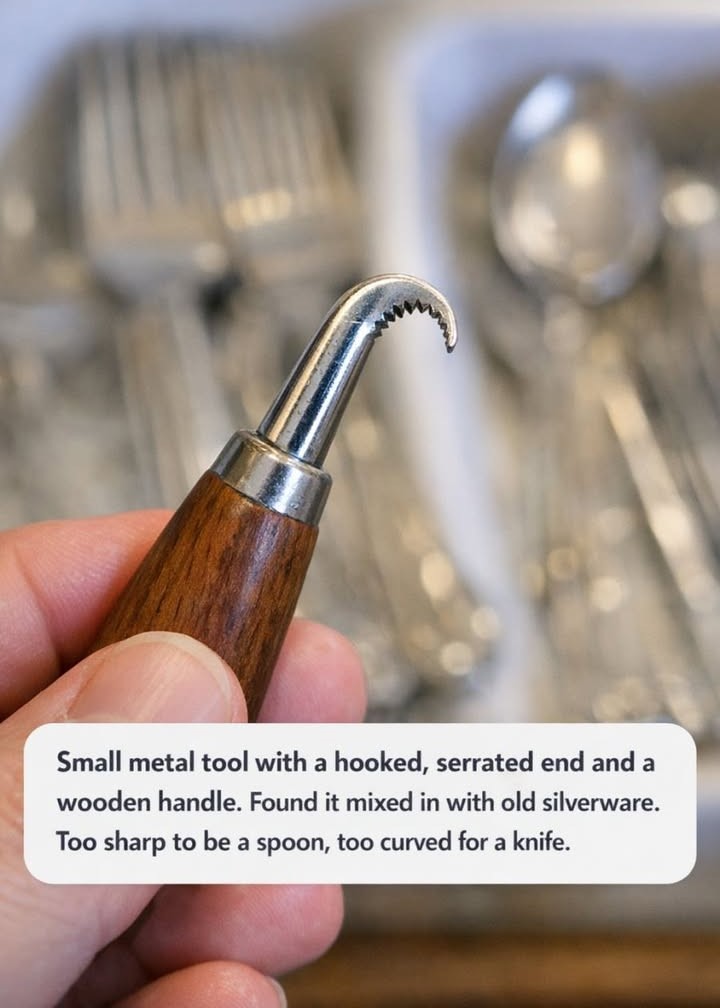
Most vintage butter curlers feature hardwood handles made from woods such as:
- Oak
- Walnut
- Maple
- Beech
Wood offered several advantages:
ADVERTISEMENT
- Comfortable grip
- Excellent durability
- Attractive appearance
- Natural insulation from cold butter
Many surviving examples have developed a rich patina that adds to their antique appeal.
How Butter Curlers Were Used
Creating butter curls required only a chilled block of butter and a steady hand.
The process was simple:
- Chill the butter until firm.
- Hold the curler comfortably.
- Place the serrated edge against the butter.
- Pull gently across the surface.
- Lift the resulting butter curl with the hooked blade.
- Arrange the curls on a chilled serving plate.
The finished curls were often served alongside fresh bread, rolls, or biscuits before the main meal.
Butter Curls as a Symbol of Hospitality
During the Victorian and Edwardian eras, beautifully presented food reflected the host’s attention to detail.
Decorative butter curls became a subtle sign of refinement.
Large households often relied on experienced kitchen staff to prepare perfectly shaped curls before guests arrived.
While the curls served the same purpose as ordinary butter, their elegant appearance elevated the dining experience.
Other Specialty Butter Tools
Butter curlers were only one part of a larger collection of specialized serving utensils.
Other vintage butter tools included:
- Butter picks for serving curls
- Individual butter spreaders
- Butter molds
- Butter stamps
- Decorative butter paddles
Together, these tools showcased the artistry that once accompanied formal dining.
Using a Vintage Butter Curler Today
Many antique butter curlers remain fully functional.
If you’d like to try one:
- Wash it carefully with warm, soapy water.
- Dry it thoroughly.
- Use firm, well-chilled butter.
- Pull gently across the surface rather than pressing down.
With a little practice, you’ll produce elegant curls that look just as impressive today as they did over a century ago.
Identifying Antique Butter Curlers
Collectors often search for manufacturer markings stamped into the metal near the handle.
These marks may include:
- Company names
- Logos
- Patent numbers
- Country of origin
Researching these markings can help determine the tool’s age and manufacturer.
Are Vintage Butter Curlers Valuable?
The value depends on several factors, including:
- Overall condition
- Original wooden handle
- Manufacturer
- Rarity
- Presence of maker’s marks
While many examples are affordable collectibles, rare or exceptionally well-preserved butter curlers may command higher prices among antique kitchenware enthusiasts.
Caring for Antique Butter Curlers
To preserve your vintage tool:
- Hand wash only.
- Dry immediately after cleaning.
- Avoid prolonged soaking.
- Occasionally condition the wooden handle with food-safe mineral oil.
- Store in a dry location to prevent rust.
Proper care can help preserve both its appearance and functionality for many years.
Final Thoughts
The vintage butter curler is a wonderful reminder of a time when even the smallest details of a meal were treated as an art form. Its hooked, serrated blade wasn’t created by accident—it was thoughtfully designed to transform a simple block of butter into elegant curls that reflected hospitality, craftsmanship, and refined dining traditions.
Today, whether displayed as part of an antique collection or used to add a touch of vintage charm to the dinner table, the butter curler remains a fascinating piece of culinary history that continues to capture the imagination of collectors and home cooks alike.