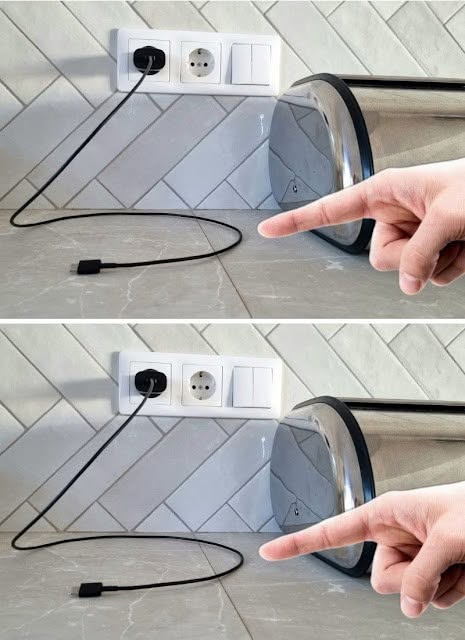
Can Leaving a Charger Plugged In Shorten Its Lifespan?
ADVERTISEMENT
Yes.
Even when not charging a device, electronic components inside the charger remain energized.
Over long periods, constant exposure to electricity and normal heat generation may gradually contribute to wear on internal components such as capacitors and power regulation circuits.
ADVERTISEMENT
Unplugging chargers when they are not needed may help extend their useful life.
Are Chargers Dangerous Around Children and Pets?
Chargers can become a safety concern if they are left where children or pets can access them.
Potential hazards include:
- Pulling cords from outlets
- Chewing charging cables
- Tripping over loose wires
- Damaging plugs or connectors
Keeping charging stations organized and storing unused chargers safely can help reduce these risks.
Simple Ways to Use Chargers More Safely
Good charging habits can improve both safety and equipment longevity.
Follow these recommendations:
- Unplug chargers when they are not needed.
- Use only manufacturer-approved or certified replacement chargers.
- Replace damaged cables immediately.
- Avoid placing chargers under pillows, blankets, or furniture while in use.
- Keep charging equipment dry and away from water.
- Plug chargers into properly functioning electrical outlets.
These simple precautions help reduce unnecessary wear while improving household electrical safety.
How to Know When It’s Time to Replace a Charger
Stop using a charger if you notice any of the following:
- Cracked housing
- Frayed or exposed wires
- Loose plugs
- Burn marks
- A burning smell
- Unusual heat during normal use
- Intermittent charging
Continuing to use damaged charging equipment may increase the risk of electrical problems and poor charging performance.
Choosing a Safe Replacement Charger
When purchasing a new charger, look for products that:
- Are compatible with your device
- Meet recognized safety certifications
- Come from reputable manufacturers
- Include built-in protection against overheating, overcharging, and short circuits
While inexpensive, uncertified chargers may seem like a bargain, they often lack the safety features found in quality products.
Final Thoughts
Leaving a charger plugged into the wall isn’t usually dangerous if it’s a high-quality, undamaged charger connected to a properly functioning electrical outlet. However, unplugging it when it’s not in use is still a smart habit.
Doing so can help reduce standby energy consumption, minimize long-term wear on the charger, and eliminate unnecessary electrical hazards—especially in homes with children or pets.
A few simple precautions, such as inspecting chargers regularly, using certified accessories, and unplugging damaged equipment immediately, can go a long way toward keeping your home safe and your electronic devices charging reliably for years to come.
ADVERTISEMENT