ADVERTISEMENT
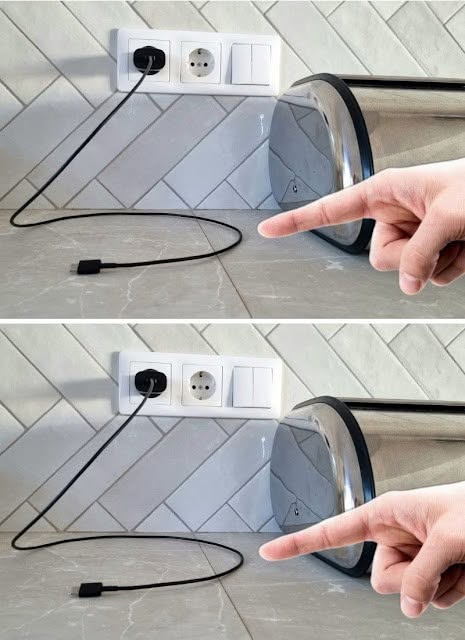
Leaving a phone charger plugged into the wall after your device has finished charging is a habit many people barely think about. Whether it’s a smartphone charger, laptop adapter, or tablet cable, it’s common to leave it connected around the clock for convenience.
While modern chargers are designed with multiple safety features, keeping them plugged in continuously isn’t always the best practice. Although the risks are generally low with certified, undamaged chargers, unplugging them when they’re not in use can help improve electrical safety, reduce unnecessary energy consumption, and extend the life of the charger.
Here’s what you should know about leaving chargers plugged in—and when it actually matters.
ADVERTISEMENT
Do Chargers Use Electricity When Nothing Is Connected?
Yes, but only a very small amount.
Most modern chargers continue to draw a tiny amount of electricity even when no device is attached. This is known as standby power or phantom power.
For a single charger, the electricity consumption is extremely low. However, if multiple chargers and electronic devices remain plugged in throughout the home, the combined standby power can contribute to your overall electricity usage over time.
Can a Charger Overheat?
Under normal conditions, a high-quality charger should remain only slightly warm while plugged in.
However, overheating can occur if:
- The charger is damaged.
- It is covered by blankets, pillows, or clothing.
- Dust accumulates around the outlet.
- The charger is poorly manufactured or counterfeit.
- The electrical outlet has a loose connection.
Excessive heat can gradually wear down internal electronic components, potentially shortening the charger’s lifespan.
Is There a Fire Risk?
The fire risk from a certified, properly functioning charger is very low, but it is not zero.
Potential problems may arise if:
- The charger is counterfeit or poorly made.
- The cable is frayed or damaged.
- The charger has been exposed to moisture.
- The outlet is defective.
- There is a significant electrical surge.
Using chargers that meet recognized safety standards and replacing damaged accessories promptly greatly reduces these risks.
Can Leaving a Charger Plugged In Shorten Its Lifespan?
See more on the next page to continue reading →
ADVERTISEMENT