Step 3: Prepare the Pan
ADVERTISEMENT
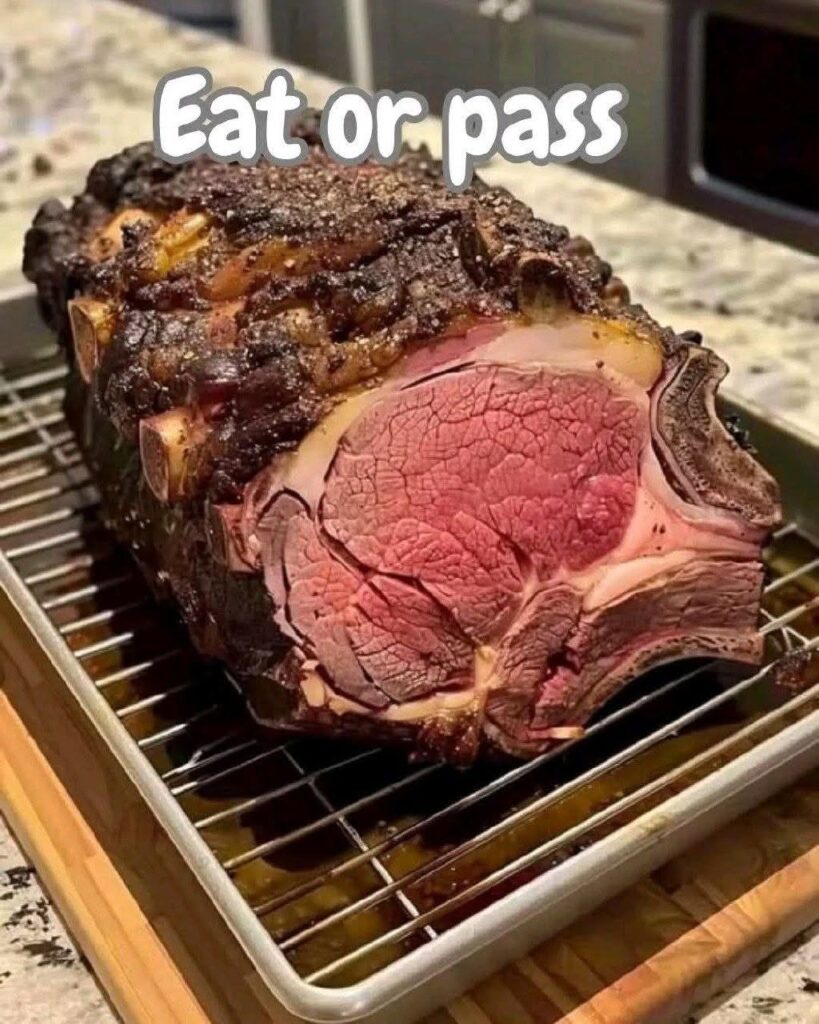
Place the roast on a rack inside a shallow roasting pan with the fat side facing up.
As the fat renders during cooking, it naturally bastes the meat, helping keep it moist.
Step 4: Roast
Preheat the oven to 550°F (288°C).
ADVERTISEMENT
A traditional high-heat method often suggests roasting for a calculated number of minutes based on the roast’s weight, then turning the oven off and allowing the roast to rest inside the closed oven.
However, because oven temperatures and heat retention vary significantly, the safest approach is to monitor the roast with a meat thermometer and keep the oven door closed during the resting period.
Recommended Internal Temperatures
- Rare: 120–125°F (49–52°C)
- Medium-Rare: 130–135°F (54–57°C)
- Medium: 140–145°F (60–63°C)
- Medium-Well: 150–155°F (66–68°C)
The internal temperature will continue to rise slightly while the roast rests.
Step 5: Rest Before Slicing
Once the roast reaches your preferred doneness, let it rest before carving.
Resting allows the juices to redistribute throughout the meat, resulting in more tender, flavorful slices.
Slice against the grain and serve immediately.
Tips for the Best Prime Rib
For consistently excellent results:
- Choose a well-marbled prime rib roast.
- Let the roast come closer to room temperature before cooking.
- Season generously on all sides.
- Avoid opening the oven frequently during roasting.
- Always verify doneness with a meat thermometer.
Serving Suggestions
Prime rib pairs beautifully with:
- Garlic mashed potatoes
- Roasted vegetables
- Yorkshire pudding
- Creamed spinach
- Green beans
- Horseradish sauce
- Au jus
- Fresh dinner rolls
These classic sides complete an elegant meal.
Storage Tips
Store leftover prime rib in an airtight container.
- Refrigerator: Up to 4 days
- Freezer: Up to 3 months
Reheat gently to avoid overcooking the meat.
Leftovers are also delicious in sandwiches, wraps, salads, or beef hash.
Final Thoughts
This Foolproof Prime Rib Roast proves that an elegant meal doesn’t require complicated ingredients. With a simple garlic seasoning and careful roasting, you can create a tender, juicy centerpiece that’s perfect for holidays, family gatherings, or any special occasion.
Using a meat thermometer ensures reliable results and helps you achieve your preferred level of doneness every time.
Frequently Asked Questions
Can I use this method for other beef roasts?
Yes. Similar roasting techniques can work well with other large beef roasts, though cooking times and internal temperature targets may vary depending on the cut.
Should I cover the roast?
No. Roasting uncovered helps develop a beautifully browned crust.
Is bone-in or boneless better?
Both are excellent. Bone-in roasts often provide extra flavor and presentation, while boneless roasts are easier to carve.
Why should I use a meat thermometer?
A thermometer provides the most accurate way to determine doneness, since oven performance and roast sizes can vary.
How long should I let the roast rest?
Allow the roast to rest for at least 15–20 minutes before slicing so the juices redistribute throughout the meat.
ADVERTISEMENT