ADVERTISEMENT
Discover why rosemary plants often struggle and learn the simple care tips that help them thrive. From watering and sunlight to soil and pruning, here’s how to grow healthy rosemary.
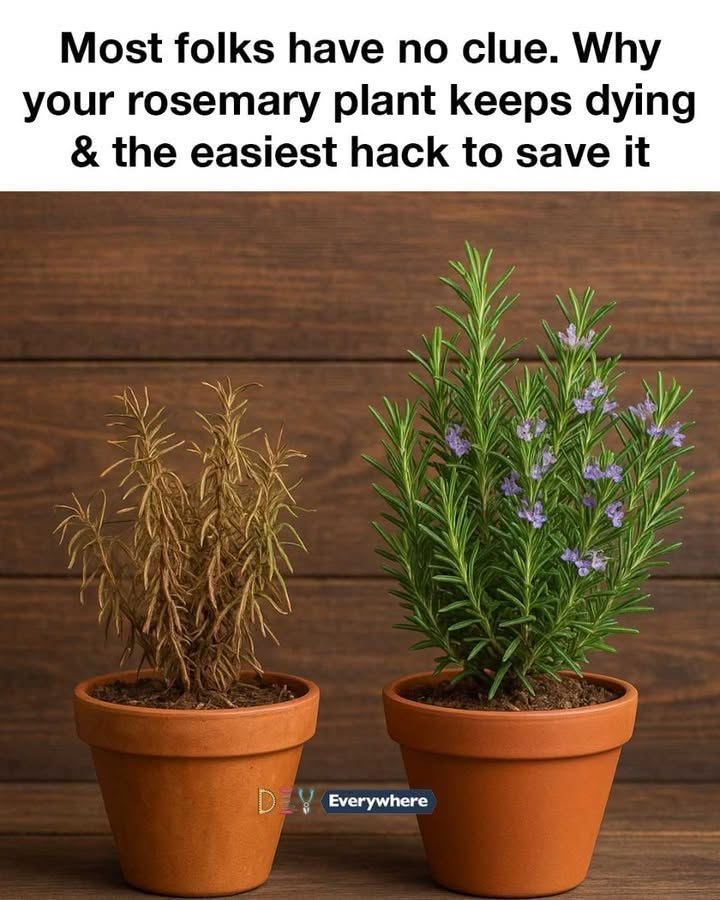
Rosemary Keeps Dying? Here’s the Simple Gardening Trick That Changes Everything
Rosemary is one of the most rewarding herbs you can grow. Its fragrant evergreen leaves add incredible flavor to roasted vegetables, grilled meats, soups, breads, and homemade oils. Better yet, a healthy rosemary plant can provide fresh herbs for years.
Yet many gardeners share the same frustration: despite regular watering and good intentions, their rosemary slowly turns brown, drops its leaves, or dies altogether.
ADVERTISEMENT
The good news is that rosemary isn’t difficult to grow—it simply has different needs than many common houseplants. Once you understand its Mediterranean origins, caring for rosemary becomes surprisingly easy.
Here’s why rosemary struggles, along with the simple gardening habits that can keep your plant healthy and thriving.
Why Rosemary Is Different From Most Herbs
Rosemary naturally grows along the rocky hillsides of the Mediterranean, where conditions are very different from many home gardens.
In its native environment, rosemary enjoys:
- Long hours of bright sunshine
- Excellent air circulation
- Sandy, rocky soil
- Fast-draining conditions
- Infrequent rainfall
Unlike moisture-loving herbs such as parsley or basil, rosemary actually prefers to dry out between waterings.
Trying to treat rosemary like other herbs is often the biggest mistake gardeners make.
The Biggest Reason Rosemary Plants Die
The number one cause of rosemary failure is overwatering.
Its roots require oxygen just as much as water. When soil stays constantly wet, oxygen disappears, allowing root rot to develop.
Signs of overwatering include:
- Yellowing leaves
- Soft or black stems
- Wilting despite wet soil
- Musty-smelling potting mix
- Leaves dropping suddenly
Unfortunately, once root rot becomes severe, recovery becomes difficult.
The Secret: Let the Soil Dry First
Instead of watering on a schedule, check the soil before reaching for the watering can.
A simple routine works best:
- Insert your finger about 1–2 inches into the soil.
- If it still feels damp, wait a few more days.
- Water thoroughly only when the soil has mostly dried.
When you do water:
- Water deeply until excess drains from the bottom.
- Empty any saucer underneath the pot.
- Never allow the roots to sit in standing water.
Deep, infrequent watering encourages stronger root systems than frequent light watering.
Drainage Is Just as Important as Watering
Even perfect watering habits won’t help if water cannot escape the container.
For potted rosemary:
- Always choose pots with drainage holes.
- Use terracotta pots when possible since they allow moisture to evaporate.
- Avoid decorative containers without drainage.
For garden beds:
- Plant in raised beds or well-drained locations.
- Improve heavy clay soil by adding coarse sand or grit.
- Avoid low spots where rainwater collects.
Healthy roots require both moisture and oxygen.
Give Rosemary Plenty of Sunshine
Rosemary thrives in bright, direct sunlight.
Aim for:
- 6–8 hours of direct sunlight daily
- South-facing windows indoors
- Bright outdoor locations free from shade
Insufficient light often causes:
- Weak stems
- Pale leaves
- Slow growth
- Few new branches
If growing indoors, a quality grow light can supplement natural sunlight during darker months.
Choose the Right Soil
See more on the next page to continue reading →
ADVERTISEMENT
ADVERTISEMENT