ADVERTISEMENT
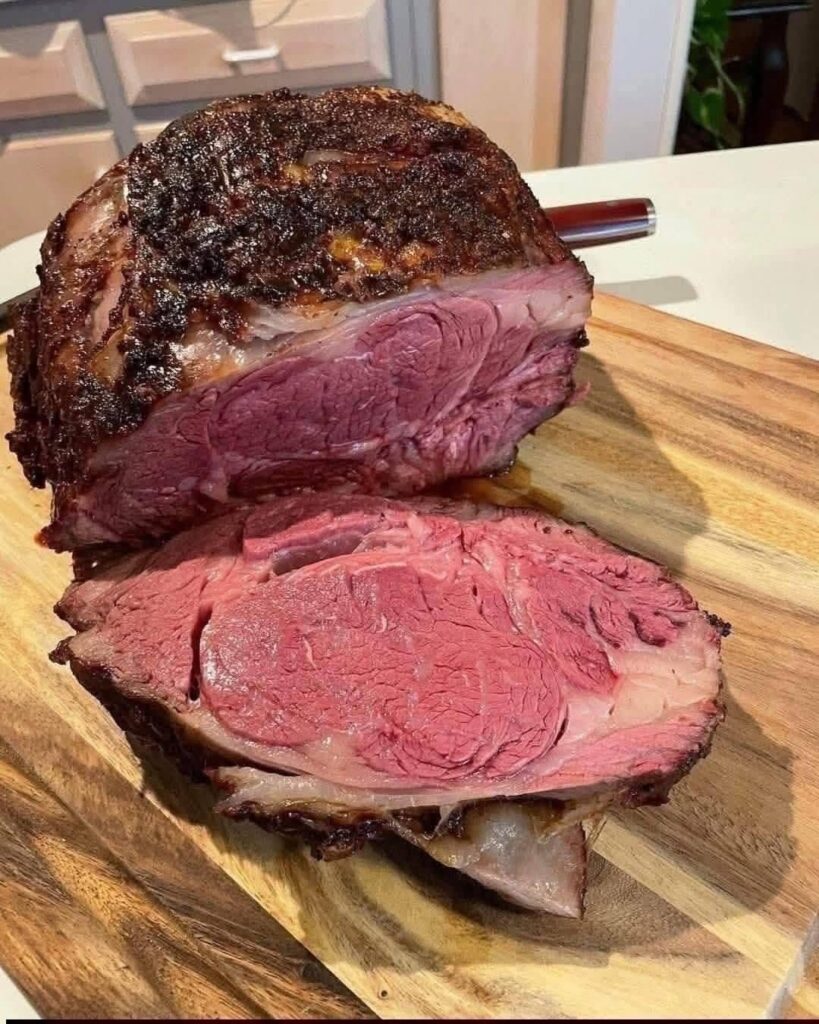
Learn how to cook the perfect prime rib roast with this complete guide. Discover expert tips for selecting, seasoning, roasting, and carving prime rib for holidays and special occasions.
The Ultimate Prime Rib Roast Guide: Everything You Need to Know for Restaurant-Quality Results
Few dishes command attention quite like a beautifully cooked prime rib roast.
Known for its exceptional marbling, rich beef flavor, and melt-in-your-mouth tenderness, prime rib has long been the centerpiece of holiday dinners, family celebrations, and special occasions. Whether you’re hosting Christmas dinner, a New Year’s feast, or an elegant gathering, a perfectly roasted prime rib creates a memorable dining experience that guests won’t soon forget.
ADVERTISEMENT
While prime rib may seem intimidating, achieving professional-quality results is surprisingly straightforward when you understand the fundamentals. From selecting the right cut to creating a beautifully browned crust and carving with confidence, every step plays an important role.
This complete guide covers everything you need to know to prepare an unforgettable prime rib roast.
Why Prime Rib Is Considered a Premium Cut
Prime rib comes from the rib section of the cow and is prized for its:
- Abundant marbling
- Rich beef flavor
- Tender texture
- Impressive presentation
The natural fat distributed throughout the meat melts during cooking, creating exceptional juiciness and flavor that few other cuts can match.
Choosing the Best Prime Rib Roast
The quality of your finished roast begins at the butcher counter.
USDA Beef Grades
Prime
The highest USDA grade available.
Characteristics:
- Extensive marbling
- Exceptional tenderness
- Rich flavor
- Ideal for special occasions
Choice
A popular and widely available option.
Benefits:
- Excellent flavor
- Good marbling
- More affordable than Prime grade
Select
A leaner option with less marbling.
While still flavorful, careful cooking is required to prevent dryness.
Bone-In vs. Boneless Prime Rib
Bone-In Prime Rib
Often called a “Standing Rib Roast.”
Advantages:
- Enhanced flavor
- Better moisture retention
- Stunning presentation
- Traditional holiday appearance
Boneless Prime Rib
Benefits:
- Easier carving
- More convenient storage
- Uniform slicing
Both options can produce excellent results when cooked properly.
How Much Prime Rib Per Person?
See more on the next page to continue reading →
ADVERTISEMENT
ADVERTISEMENT