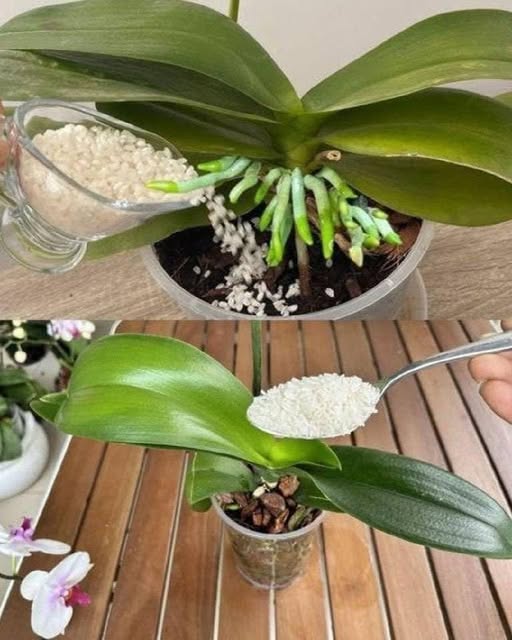
How to Use Them
ADVERTISEMENT
Place one fertilizer cube on top of the orchid growing medium every 2–3 weeks during active growth.
As the cube melts, moisture and nutrients slowly reach the roots.
Important Note
Avoid placing ice directly against exposed roots or the crown of the orchid. Some orchid growers prefer allowing the cube to partially melt before applying or using chilled—not frozen—water instead.
ADVERTISEMENT
Provide the Right Light
Light is often the biggest factor in whether an orchid blooms.
Most common orchids thrive in:
- Bright, indirect light
- East-facing windows
- Filtered morning sun
Signs of lighting problems:
Too Little Light
- Dark green leaves
- Few or no flower spikes
- Slow growth
Too Much Light
- Yellowing leaves
- Brown scorch marks
- Dehydration
Healthy orchid leaves are usually a medium green color.
Maintain Proper Humidity
Most orchids originate from tropical regions where humidity is naturally high.
Aim for humidity levels between 40% and 70%.
Ways to Increase Humidity
- Use a pebble tray filled with water
- Run a small humidifier nearby
- Group plants together
- Place orchids in naturally humid rooms
Always ensure good air circulation to prevent fungal diseases.
Water Correctly
Overwatering remains the number one reason orchids fail.
Most orchids prefer to dry slightly between waterings.
Watering Tips
- Check the growing medium before watering
- Water thoroughly until excess drains away
- Never allow roots to sit in standing water
- Use room-temperature water
Many growers water once every 7–10 days, though frequency varies depending on climate and potting medium.
Repot Every 1–2 Years
Orchid bark and other growing media eventually break down.
As they decompose, drainage decreases and roots receive less oxygen.
Repotting helps:
- Refresh nutrients
- Improve drainage
- Prevent root rot
- Encourage vigorous growth
The best time to repot is often shortly after flowering ends.
Choose the Right Growing Medium
Unlike traditional houseplants, orchids do not thrive in regular potting soil.
Popular orchid media include:
- Fir bark
- Sphagnum moss
- Coconut husk chips
- Specialized orchid mixes
These materials provide the excellent airflow orchid roots require.
Additional Tips for More Flowers
Remove Spent Flower Spikes
Once blooms fade:
- Trim dead spikes completely
- For some orchid varieties, cut just above a healthy node to encourage secondary blooms
Keep Temperatures Stable
Most orchids prefer:
- Daytime: 65–80°F (18–27°C)
- Nighttime: 55–65°F (13–18°C)
A slight nighttime temperature drop often helps trigger flowering.
Keep Leaves Clean
Dust can reduce the plant’s ability to absorb light.
Wipe leaves occasionally with a damp cloth to keep them clean and healthy.
Common Orchid Mistakes to Avoid
❌ Overwatering
❌ Using regular potting soil
❌ Direct afternoon sunlight
❌ Excessive fertilizer
❌ Allowing water to collect in the crown
❌ Ignoring root health
Final Thoughts
Beautiful orchid blooms don’t come from a single miracle trick. Fertilizer cubes can be a helpful tool for gentle feeding, but the real secret is consistent care.
When orchids receive:
- Proper light
- Balanced nutrition
- Correct watering
- Good humidity
- Healthy roots
they often reward growers with stunning flowers year after year.
With a little patience and the right routine, your orchids can become one of the most spectacular plants in your home, producing vibrant blooms that seem to last forever. 🌸✨