ADVERTISEMENT
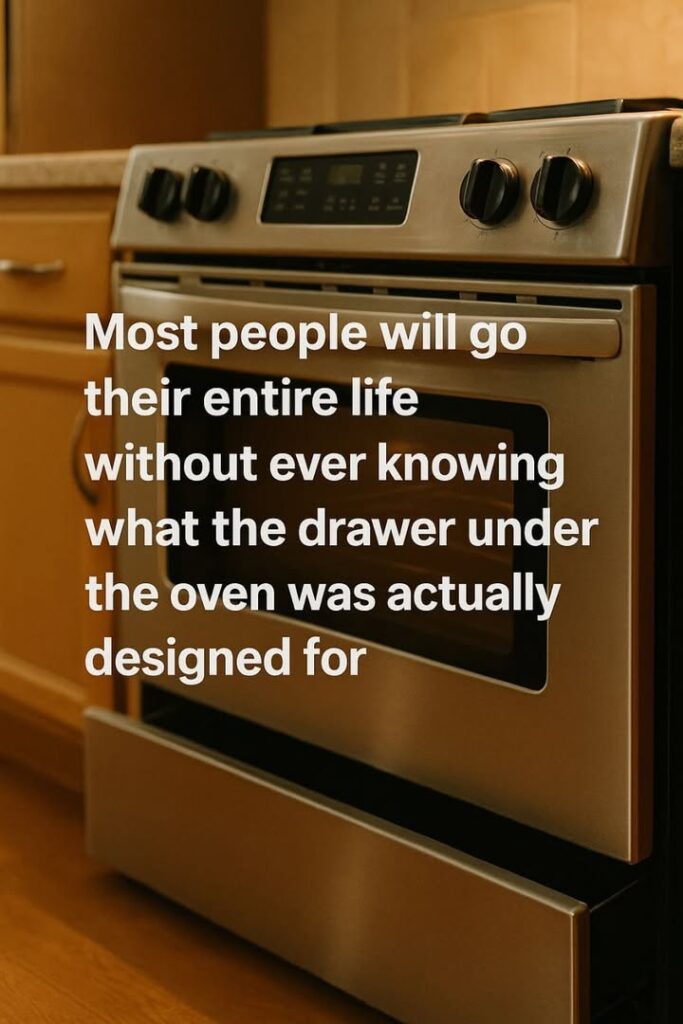
For many homeowners, the drawer beneath the oven has always been the perfect place to store baking sheets, roasting pans, and oversized cookware. It’s convenient, spacious, and seems like the obvious place to keep kitchen essentials. But what if that drawer wasn’t actually designed for storage?
Depending on your oven model, the drawer beneath your oven may have an entirely different purpose. Many modern ranges include a warming drawer that helps keep cooked food at the ideal serving temperature until you’re ready to eat. Understanding the difference between a warming drawer and a storage drawer can help you use your appliance more effectively—and in some cases, more safely.
Why Most People Misunderstand the Oven Drawer
The lower drawer has become one of the most overlooked features in the kitchen.
ADVERTISEMENT
Because many ovens include a drawer beneath the main cooking compartment, homeowners naturally assume it’s extra cabinet space. Over time, it becomes a catch-all for:
- Baking sheets
- Pizza pans
- Muffin tins
- Cooling racks
- Cast iron skillets
- Roasting pans
While this is perfectly acceptable for some oven models, it isn’t always what manufacturers intended.
What Was the Drawer Originally Designed For?
Many modern gas and electric ranges include a warming drawer, designed to keep fully cooked food warm without continuing to cook it.
Unlike the main oven, a warming drawer produces gentle, controlled heat that typically ranges between 140°F and 200°F (60°C to 93°C).
This allows you to:
- Keep dinner warm while waiting for family members.
- Serve multiple dishes at the same time.
- Prevent food from cooling before guests arrive.
- Maintain the texture of freshly baked items.
Instead of reheating food later, the warming drawer helps preserve its quality until serving time.
Warming Drawer vs. Storage Drawer
Not every oven includes a warming drawer.
Here’s how to tell the difference.
A Warming Drawer Usually Has:
- Temperature controls
- A heating element
- Adjustable warming settings
- Labels indicating heat levels
A Storage Drawer Usually Has:
- No heating controls
- No electrical components
- Simple pull-out storage space
- No temperature markings
If your drawer has no controls or heating options, it’s most likely intended for cookware storage.
How to Find Out Which Type You Have
The easiest way to identify your oven drawer is by checking your appliance manual.
If you no longer have the printed guide, search for your oven’s model number online. Most manufacturers provide free digital manuals that explain every feature, including the lower drawer.
You can also inspect the drawer itself.
Signs that indicate a warming drawer include:
- Heat control knobs
- Temperature buttons
- Warming symbols
- Electronic display settings
Knowing your oven’s features helps you use it correctly and safely.
Is It Safe to Store Pots and Pans There?
It depends entirely on your oven model.
If the drawer is designed for storage, cookware is perfectly appropriate.
However, if it’s a warming drawer, storing cookware—especially plastic utensils, paper products, or other heat-sensitive materials—can create unnecessary risks.
Items stored inside a heated drawer may become damaged or interfere with proper airflow.
Always follow your manufacturer’s recommendations regarding what can safely be placed inside the drawer.
How a Warming Drawer Keeps Food Warm
A warming drawer doesn’t function like a regular oven.
Instead of cooking food, it maintains a low, stable temperature that helps preserve:
- Moisture
- Texture
- Flavor
- Serving temperature
Because the heat remains gentle, foods are much less likely to dry out compared to reheating them in a conventional oven.
This makes warming drawers especially useful during holidays, family gatherings, and large dinners.
How Professional Cooks Use Warming Drawers
In restaurants and professional kitchens, warming drawers help chefs coordinate multiple dishes so everything reaches the table at the same time.
They’re commonly used to:
- Hold cooked meats before serving
- Keep side dishes warm
- Warm dinner plates
- Rest baked goods
- Proof bread dough before baking
Home cooks can benefit from many of these same techniques when preparing meals for family or entertaining guests.
Everyday Uses You May Not Know About
See more on the next page to continue reading →
ADVERTISEMENT