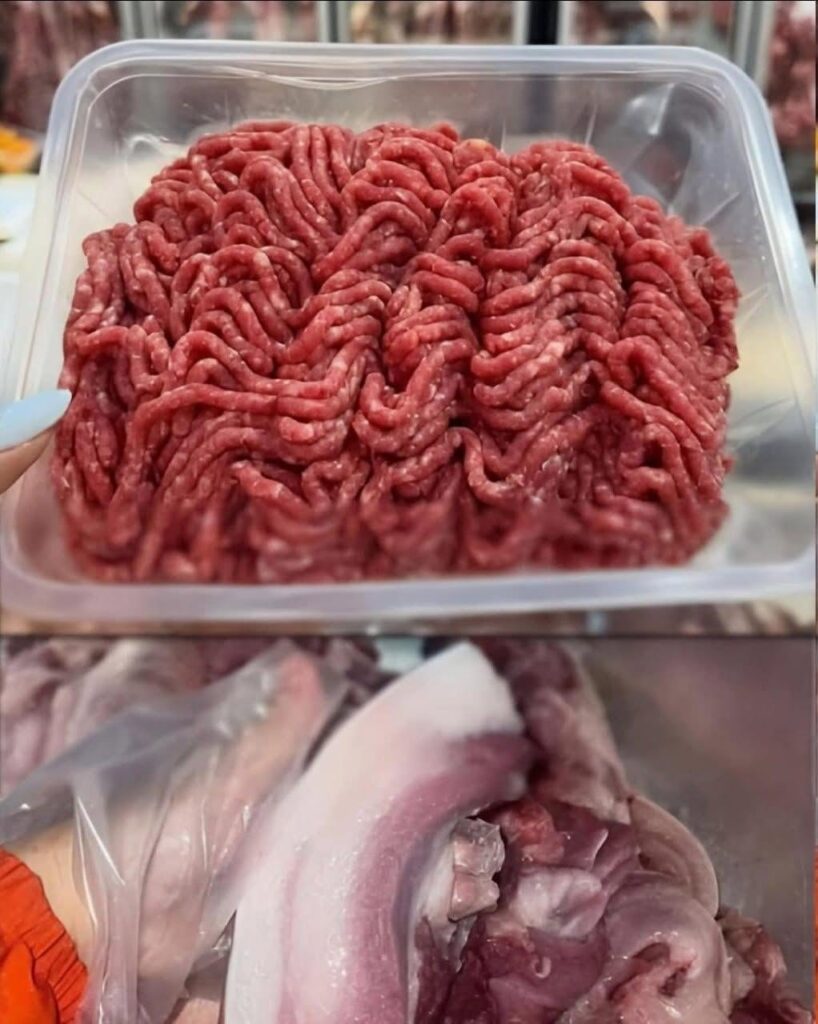
Inspect the Packaging
ADVERTISEMENT
Before purchasing, check that the packaging is:
- Fully sealed
- Free of punctures
- Not leaking fluids
- Free from excessive liquid accumulation
Damaged packaging may compromise freshness and food safety.
Essential Food Safety Practices
Proper handling begins the moment you place meat in your shopping cart.
ADVERTISEMENT
Refrigerate Promptly
Raw meat should be refrigerated within two hours of purchase, or sooner during warm weather.
Prevent Cross-Contamination
Keep raw meat separate from:
- Fresh produce
- Ready-to-eat foods
- Dairy products
Using separate storage containers can help reduce contamination risks.
Maintain Clean Preparation Surfaces
Always wash:
- Cutting boards
- Knives
- Countertops
- Hands
after handling raw meat.
Cook to Safe Internal Temperatures
Using a food thermometer is the most reliable way to ensure meat is fully cooked and safe to eat.
Extra Precautions for Vulnerable Individuals
Certain groups face a higher risk of foodborne illness and should take additional precautions.
These include:
- Young children
- Older adults
- Pregnant women
- Individuals with weakened immune systems
For these populations, it is especially important to purchase fresh meat, store it correctly, and cook it thoroughly before consumption.
Understanding Common Meat Labels
Food packaging often contains marketing terms that can be confusing. Understanding these labels can help you make informed choices.
Organic
Organic meat comes from animals raised according to certified organic farming standards, which typically include restrictions on synthetic pesticides and certain farming practices.
Grass-Fed
Grass-fed labeling generally indicates that cattle were primarily fed grass and forage rather than grain-based diets.
Free-Range
This term is commonly used for poultry and indicates that animals had some level of outdoor access.
No Added Hormones
This label means growth hormones were not administered during production where applicable.
Antibiotic-Free
Animals labeled as raised without antibiotics were not given antibiotics during their production cycle.
Always read packaging carefully, as standards and certifications can vary by country and producer.
Smart Shopping Tips for Better Meat Quality
Buy From Reputable Sources
Choose trusted:
- Local butchers
- Established supermarkets
- Certified meat suppliers
Reliable vendors typically maintain stronger quality control standards.
Check Expiration Dates
Always review:
- Sell-by dates
- Use-by dates
- Packaging dates
Select the freshest package available.
Shop Cold Items Last
Purchase meat near the end of your shopping trip to minimize time spent at unsafe temperatures.
Use Insulated Bags
If traveling long distances, insulated grocery bags can help maintain proper temperatures until you arrive home.
Best Practices for Meat Storage at Home
Proper storage extends freshness and reduces food waste.
Refrigeration
Store fresh meat at or below 40°F (4°C).
Freezing
For longer storage:
- Wrap meat tightly
- Use freezer-safe packaging
- Label with the freezing date
Properly frozen meat can maintain quality for several months.
Follow First-In, First-Out
Use older products before newer purchases to reduce spoilage.
Conclusion
Choosing fresh, high-quality meat doesn’t require expert knowledge—just a few simple observations and smart shopping habits. By checking color, texture, packaging, and labels while following safe handling practices, you can confidently select meat that is both safe and flavorful.
The next time you’re shopping, take a few extra moments to evaluate your options. These small steps can make a significant difference in food quality, safety, and overall dining enjoyment.
Frequently Asked Questions
How can I tell if meat is fresh?
Look for natural color, firm texture, secure packaging, and appropriate expiration dates.
Is bright red meat always fresher?
Not necessarily. Color can be affected by exposure to oxygen, so evaluate texture, smell, and packaging as well.
What does grass-fed meat mean?
Grass-fed meat comes from animals that primarily consumed grass and forage during their lives.
How long can fresh meat stay in the refrigerator?
Storage times vary by meat type, but most fresh meats should be cooked or frozen within a few days of purchase.
Why is proper meat storage important?
Correct storage helps maintain quality, preserve freshness, and reduce the risk of foodborne illness.
ADVERTISEMENT