ADVERTISEMENT
Buying meat may seem straightforward, but making the right choice involves more than simply picking the first package you see. Understanding meat quality, freshness indicators, food safety practices, and labeling terms can help you make smarter purchasing decisions while protecting your family’s health.
Whether you’re shopping at a local butcher, grocery store, or online marketplace, knowing what to look for can ensure you bring home meat that is fresh, nutritious, and safe to consume.
This comprehensive guide explains how to evaluate meat quality, understand food labels, and follow essential food safety practices before making your next purchase.
ADVERTISEMENT
Why Meat Quality Matters
The quality of meat directly affects its flavor, texture, nutritional value, and safety.
High-quality meat typically offers:
- Better taste and tenderness
- Improved cooking performance
- Higher nutritional value
- Reduced risk of spoilage
- Greater food safety assurance
Poorly handled or improperly stored meat may lose freshness quickly and increase the risk of foodborne illnesses. Learning to identify quality indicators helps consumers make confident purchasing decisions.
How to Identify Fresh Meat
One of the most important skills for shoppers is recognizing signs of freshness.
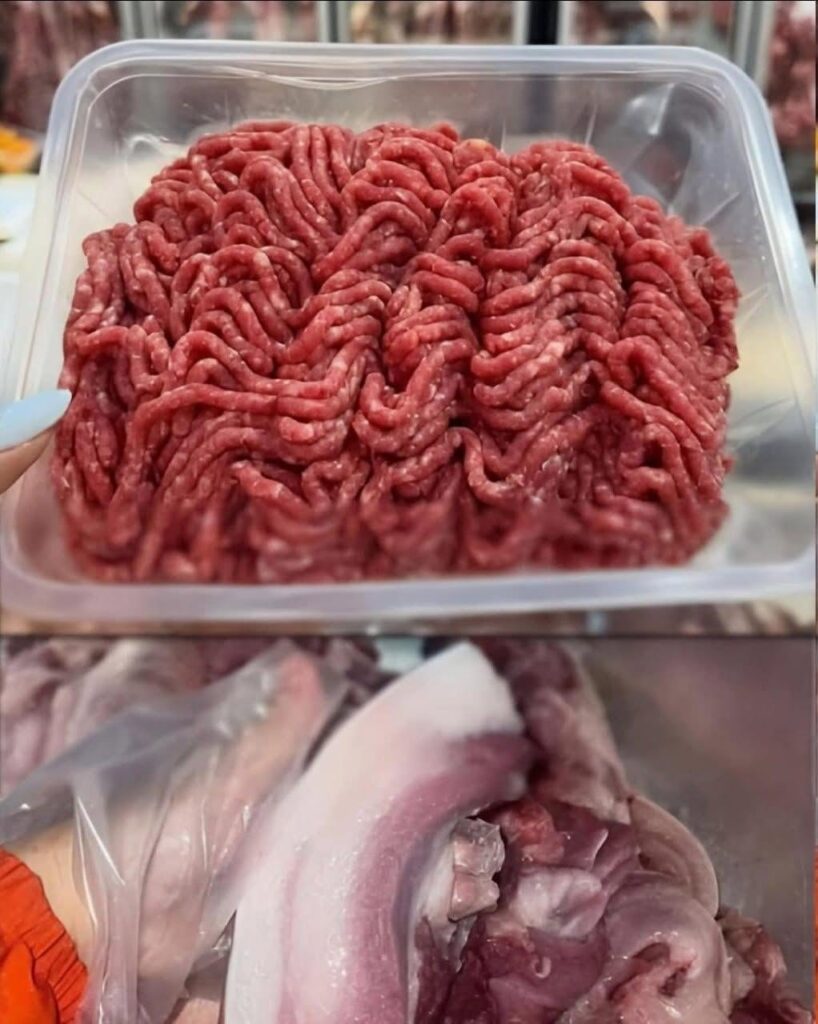
Check the Color
Fresh meat should display a natural color that matches its type.
- Beef: Bright cherry red
- Lamb: Deep red
- Pork: Pinkish-red
- Poultry: Pale pink
Avoid products that appear excessively dark, gray, brown, or discolored.
Examine the Texture
Fresh meat should feel:
- Firm
- Slightly moist
- Smooth to the touch
Avoid meat that feels:
- Sticky
- Slimy
- Excessively wet
These can be signs of spoilage or improper storage.
Inspect the Packaging
See more on the next page to continue reading →
ADVERTISEMENT