What Do Lizard Eggs Look Like?
ADVERTISEMENT
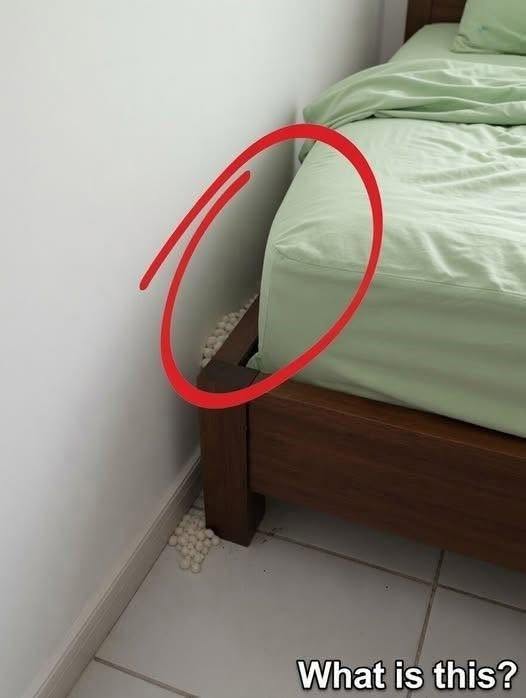
Depending on the species, lizard eggs are generally:
- White or cream-colored
- Oval-shaped
- Soft or slightly leathery when first laid
- Roughly the size of a marble or grape
Unlike bird eggs, many reptile eggs are not hard-shelled.
Their flexible outer layer helps retain moisture while protecting the developing embryo.
ADVERTISEMENT
Are House Geckos Dangerous?
In most cases, house geckos are harmless to humans.
In fact, many homeowners consider them beneficial because they feed on:
- Mosquitoes
- Flies
- Moths
- Ants
- Small insects
Because they help control indoor insect populations, geckos are often viewed as natural pest managers.
What Should You Do If You Find Lizard Eggs?
If you discover reptile eggs inside your home, avoid crushing, shaking, or rotating them.
Experts generally recommend:
1. Identify Them Carefully
If you’re unsure what type of egg you’ve found, consider consulting:
- Local wildlife authorities
- Animal control services
- Reptile experts
- Licensed pest professionals
2. Handle With Care
Reptile eggs can be delicate.
Moving them improperly may damage developing embryos.
3. Consider Relocation
Depending on local regulations and species, wildlife professionals may recommend carefully relocating eggs to a protected outdoor location.
4. Prevent Future Nesting
To discourage reptiles from laying eggs indoors:
- Seal gaps around doors and windows
- Repair damaged screens
- Reduce indoor insect populations
- Eliminate hidden entry points
- Keep storage areas clean and organized
Why Reptiles Enter Homes
Most lizards don’t enter homes looking for people.
They’re usually searching for:
- Food
- Shelter
- Warmth
- Safe nesting areas
If your home has abundant insects and easy access points, it may occasionally attract small reptiles.
A Reminder That Nature Is Closer Than We Think
Finding mysterious objects in your home can be unsettling.
But sometimes the explanation is far less frightening than our imagination suggests.
In our case, those strange white objects turned out to be a small reminder that wildlife often lives much closer to us than we realize.
What first seemed alarming ultimately became a fascinating lesson about the tiny creatures that quietly share our environment.
And while I still prefer not to find surprise eggs beside my bed, at least now I know exactly what they are.
ADVERTISEMENT