Step-by-Step Instructions
Step 1: Prepare the Cleaning Solution
ADVERTISEMENT
Fill a spray bottle halfway with white vinegar. Add the baking soda slowly, allowing the mixture to fizz naturally. Fill the remaining space with water and gently shake to combine.
Step 2: Spray the Furniture
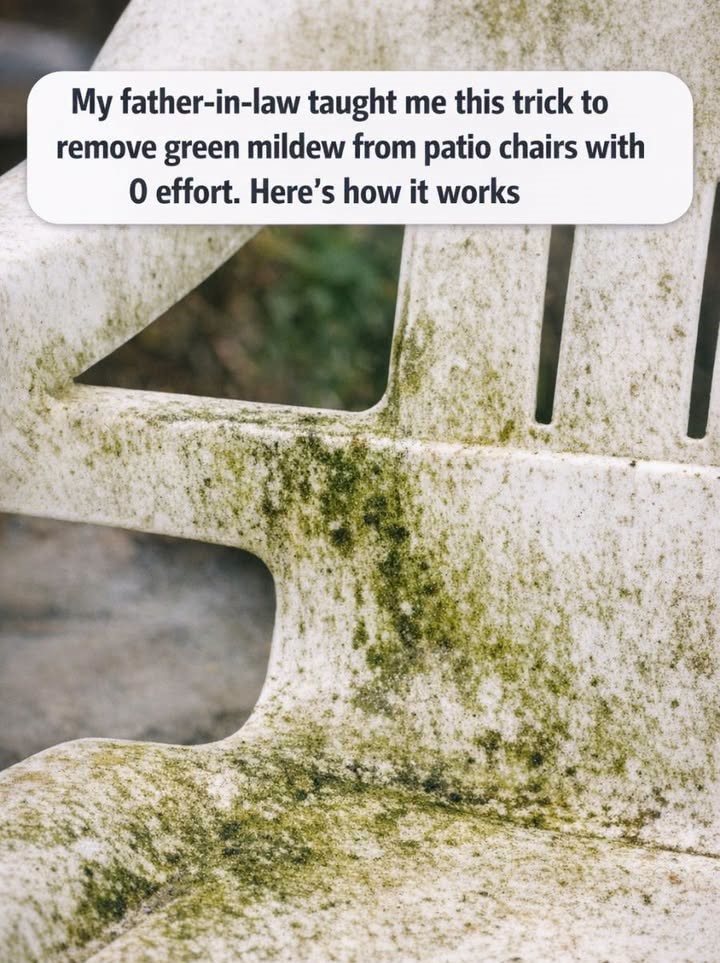
Generously spray the solution over all affected areas, paying extra attention to mildew stains, corners, and textured surfaces where dirt often accumulates.
Allow the solution to remain on the furniture for approximately 20 to 30 minutes.
ADVERTISEMENT
Step 3: Rinse Thoroughly
Rinse the furniture with clean water using a garden hose. Most mildew and dirt should wash away easily.
If small areas remain, gently wipe them with a soft cloth or use a soft-bristle brush before rinsing again.
Allow the furniture to dry completely in direct sunlight whenever possible.
Why This Cleaning Method Works
White vinegar contains acetic acid, which helps loosen mineral deposits, mildew residue, and outdoor grime. Baking soda acts as a mild cleaning agent that helps lift stubborn dirt while reducing odors.
Although vinegar is commonly used for household cleaning, its effectiveness can vary depending on the severity of mildew growth and the surface being cleaned. Heavy mold infestations may require specialized cleaning products.
Which Outdoor Furniture Can You Clean?
This cleaning solution works well for many common outdoor materials, including:
- Plastic patio chairs
- Resin furniture
- Powder-coated metal furniture
- Outdoor tables
- Garden benches (painted metal)
Always test the solution on a small hidden area first to ensure compatibility with your furniture’s finish.
Materials to Avoid
Avoid using vinegar-based cleaners on:
- Natural stone surfaces
- Untreated wood
- Marble
- Granite
- Aluminum with damaged finishes
These materials may require specialized cleaning products recommended by the manufacturer.
Tips to Prevent Mildew from Returning
Keeping patio furniture clean is much easier than removing heavy mildew buildup later.
Here are a few simple maintenance tips:
- Store furniture in a covered area during long periods of rain.
- Wipe away standing water after storms.
- Clean furniture every few weeks during humid seasons.
- Improve airflow around outdoor seating areas.
- Remove leaves and organic debris regularly.
These small habits can significantly reduce mildew growth throughout the year.
Frequently Asked Questions
Can vinegar kill mildew?
Vinegar may help remove some types of mildew and surface mold during routine cleaning. However, severe mold growth may require specialized mold-removal products or professional cleaning.
Is baking soda safe for patio furniture?
Yes. Baking soda is generally considered a mild cleaning agent and is commonly used for cleaning many household surfaces without causing significant abrasion.
How often should patio furniture be cleaned?
For best results, clean outdoor furniture every one to two months, or more frequently during humid or rainy seasons.
Can I use bleach instead?
Bleach can be effective for certain mildew stains, but it may discolor some materials and should always be used according to the manufacturer’s safety instructions. For routine maintenance, many homeowners prefer milder cleaning solutions first.
Final Thoughts
Maintaining clean outdoor furniture doesn’t have to be difficult. With a simple mixture of white vinegar, baking soda, and water, you can freshen many types of patio furniture and reduce everyday mildew buildup without relying on harsh chemicals.
Regular cleaning, proper storage, and routine maintenance are the best ways to keep your outdoor seating looking its best season after season. Whether you’re preparing for a backyard barbecue or simply enjoying a quiet afternoon outside, clean patio furniture helps create a more inviting outdoor space.
ADVERTISEMENT