ADVERTISEMENT
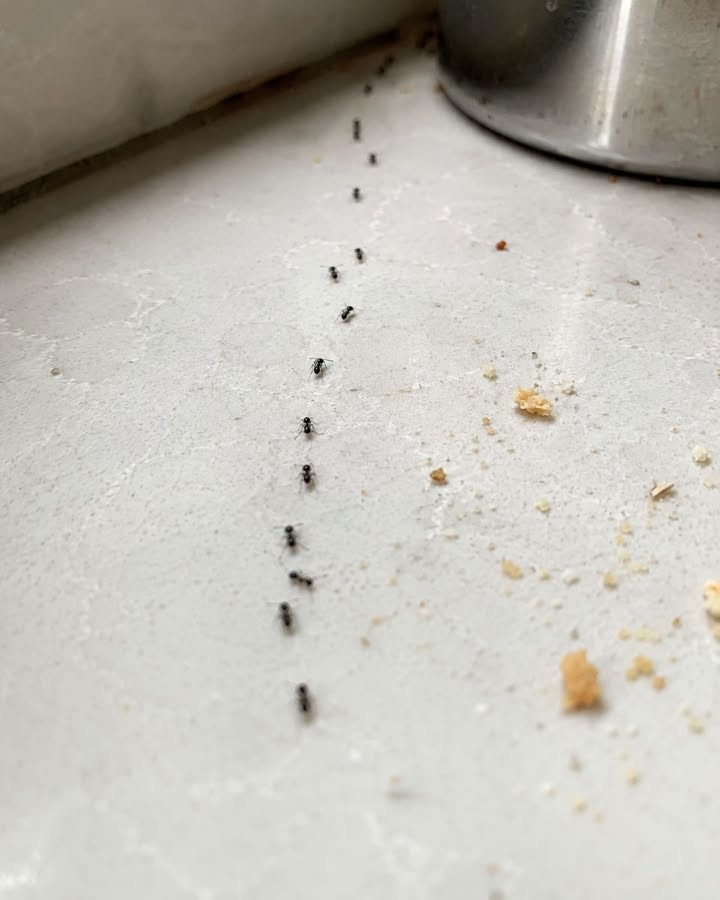
Ants may play an important role outdoors, but they quickly become a problem when they find their way into your kitchen. A few tiny scouts can turn into a steady trail of ants searching for crumbs, sugary foods, and moisture in just a matter of hours.
While many commercial ant sprays promise instant results, they often contain strong chemicals that some homeowners prefer not to use around food preparation areas. Fortunately, there are natural ways to discourage ants while keeping your kitchen clean and fresh.
One of the simplest methods involves an everyday household ingredient that many people already have in their pantry: white vinegar.
ADVERTISEMENT
Why Are Ants Invading Your Kitchen?
Ants enter homes for one simple reason—they’re searching for food and water. Even tiny crumbs, sticky spills, pet food, or unsealed pantry items can attract an entire colony.
Common reasons ants appear indoors include:
- Food crumbs on countertops
- Sugary spills and drink residue
- Open food containers
- Pet food left out overnight
- Moisture around sinks or pipes
- Small cracks around doors and windows
Once scout ants discover a food source, they leave behind invisible pheromone trails that guide other ants directly to it.
A Simple Natural Ant Control Solution
Many homeowners use white vinegar as part of their regular cleaning routine because it helps remove grease, odors, and mineral deposits. It may also help disrupt the scent trails that ants rely on to navigate.
What You’ll Need
- 1 cup white vinegar
- 1 cup water
- Spray bottle
- Clean microfiber cloth
How to Make the Vinegar Spray
Mix equal parts white vinegar and water in a clean spray bottle.
Shake gently before each use.
That’s it—your natural kitchen cleaning spray is ready.
How to Use It
Step 1: Identify Ant Trails
Watch where the ants are traveling. Common locations include:
- Kitchen countertops
- Windowsills
- Door frames
- Pantry shelves
- Around sinks
- Baseboards
Step 2: Spray the Area
Lightly spray the vinegar solution directly onto the ant trail and any visible entry points.
Allow the solution to remain for a few minutes before wiping the surface clean.
Step 3: Clean Food Sources
After removing the ants’ trail, clean the surrounding area thoroughly.
Pay special attention to:
- Sugar containers
- Bread crumbs
- Fruit bowls
- Pet food dishes
- Sticky spills
Removing food sources is just as important as disrupting the trail.
Why Vinegar May Help Deter Ants
Ants communicate using chemical scent trails called pheromones.
Cleaning surfaces with vinegar may help remove or mask these trails, making it more difficult for other ants to follow the same route.
Although vinegar is widely used as a natural household cleaner, research suggests it works primarily as a deterrent rather than a complete solution for eliminating an entire ant colony.
For persistent infestations, additional pest management strategies may be necessary.
Best Places to Spray
For the best results, apply the solution around:
- Window frames
- Door thresholds
- Kitchen countertops
- Sink areas
- Pantry shelves
- Baseboards
- Small wall cracks
- Behind kitchen appliances
Avoid spraying directly onto natural stone countertops such as marble or granite, as vinegar can damage these surfaces.
Is Vinegar Safe Around Food and Pets?
When used correctly, diluted white vinegar is generally considered safe for cleaning many kitchen surfaces.
However:
- Wipe food preparation areas with clean water after cleaning if desired.
- Keep spray bottles out of reach of children.
- Avoid spraying directly on pets.
- Never mix vinegar with bleach or other chemical cleaners.
Common Mistakes When Trying to Get Rid of Ants
Many homeowners accidentally make the problem worse by overlooking simple prevention steps.
Avoid these common mistakes:
- Leaving dirty dishes overnight
- Forgetting to wipe sticky spills
- Storing food in unsealed containers
- Ignoring small entry cracks
- Applying natural remedies only once
Consistency is one of the most important factors in managing indoor ants.
Additional Natural Ways to Discourage Ants
Alongside vinegar cleaning, many homeowners also try:
- Sealing cracks around windows and doors
- Keeping countertops dry
- Storing pantry foods in airtight containers
- Removing outdoor vegetation touching the house
- Cleaning trash bins regularly
Some people also use cinnamon, peppermint oil, or citrus peels near entry points, although results can vary.
When to Consider Professional Pest Control
See more on the next page to continue reading →
ADVERTISEMENT