ADVERTISEMENT
Learn how to use phone and laptop chargers safely. Discover the hidden dangers of low-quality chargers, damaged cables, overheating, and common charging mistakes that can increase fire risks.
Introduction
Chargers have become an essential part of everyday life. Whether you’re powering a smartphone, tablet, laptop, or other electronic device, charging equipment is something most people use daily without much thought.
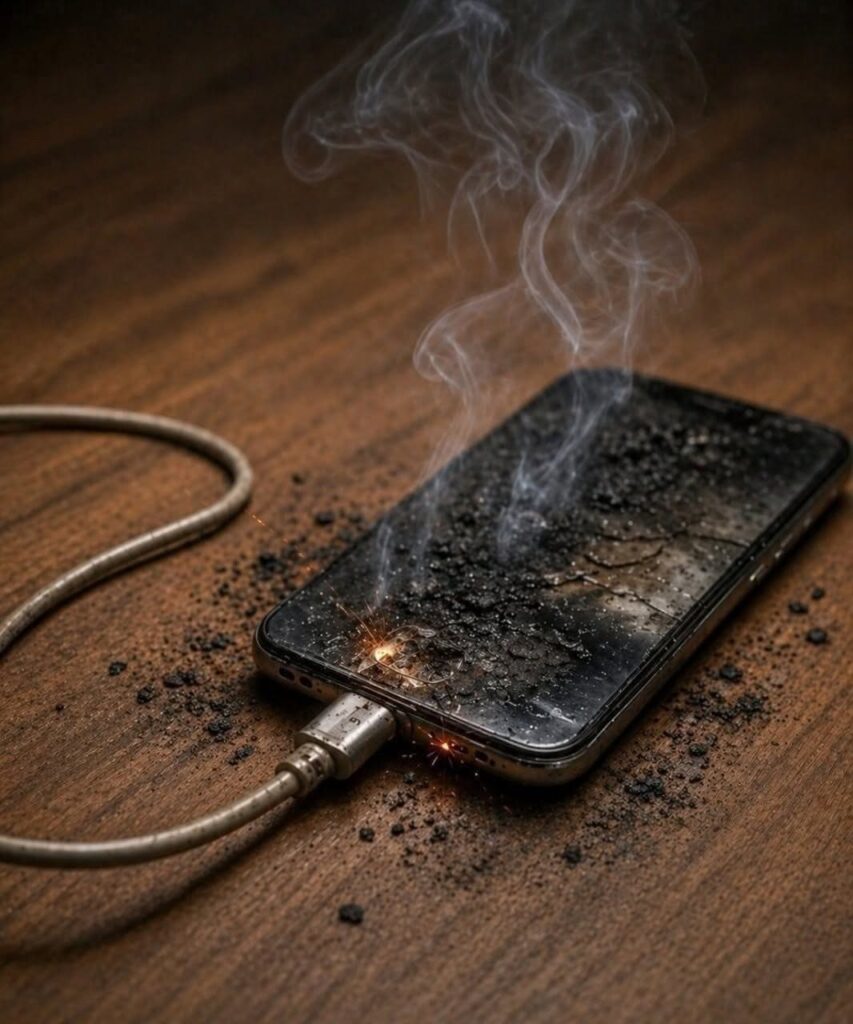
However, improper charging habits can pose serious safety risks. Using counterfeit chargers, ignoring damaged cables, or charging devices in unsafe locations may lead to overheating, reduced battery life, electrical damage, or even fire hazards.
ADVERTISEMENT
Understanding these common risks can help protect your devices, your home, and your family.
1. The Risks of Low-Quality Chargers
Not all chargers are created equal. While inexpensive third-party chargers may seem like a bargain, many lack the safety features found in certified products.
Poorly manufactured chargers may:
- Deliver inconsistent voltage
- Overheat during use
- Damage device batteries
- Increase the risk of electrical faults
Whenever possible, choose chargers that meet recognized safety standards and are compatible with your device.
2. Why Damaged Charging Cables Are Dangerous
A frayed or worn charging cable should never be ignored.
Common warning signs include:
- Exposed wires
- Cracked insulation
- Bent connectors
- Loose charging ports
Damaged cables can cause short circuits, sparks, or overheating. Replacing a worn cable is far less expensive than repairing a damaged device—or dealing with an electrical accident.
3. Avoid Charging on Beds, Sofas, and Soft Surfaces
See more on the next page to continue reading →
ADVERTISEMENT