ADVERTISEMENT
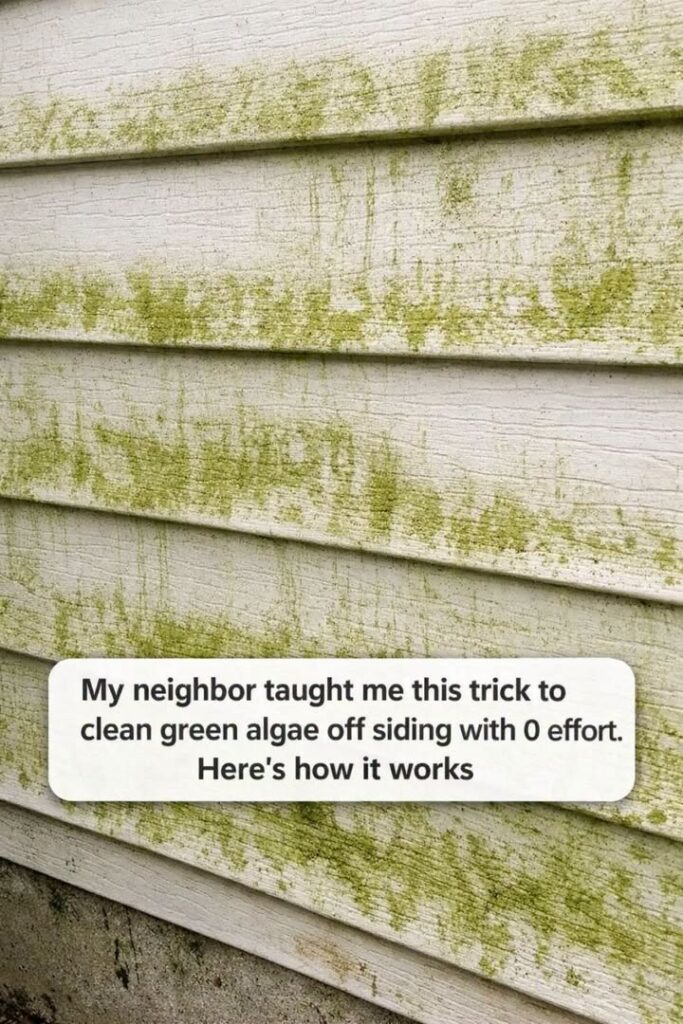
Learn how to remove green algae from vinyl and painted siding using a simple vinegar cleaning solution. Discover why algae grows, how to clean it safely, and tips to help prevent it from coming back.
Easy Way to Clean Green Algae Off Your House Siding
Green algae on exterior siding is a common problem, especially in regions with frequent rain, high humidity, or shaded areas. While it usually starts as a cosmetic issue, algae can trap moisture against your home’s exterior, making your siding look neglected and potentially contributing to staining over time.
Fortunately, you don’t always need expensive cleaners or a pressure washer to restore your siding. A simple homemade cleaning solution can often remove light to moderate algae buildup with minimal effort.
ADVERTISEMENT
Here’s how to clean your siding safely and help keep it looking its best.
Why Green Algae Grows on Siding
Algae thrives anywhere moisture lingers.
Common conditions that encourage growth include:
- Shaded walls
- Humid climates
- Poor air circulation
- Trees or shrubs close to the house
- Overflowing gutters
- Siding that stays damp after rain
North-facing walls and areas beneath roof overhangs are often the first places algae appear because they receive less direct sunlight.
A Simple Homemade Cleaning Solution
For many homes, a basic vinegar solution is enough to loosen algae without harsh chemicals.
You’ll Need
- 1 gallon of water
- 1 cup white vinegar
- 1 tablespoon liquid dish soap
- Garden pump sprayer
- Garden hose with a spray nozzle
The vinegar helps break down algae, while the dish soap allows the solution to spread evenly across the siding.
How to Mix the Cleaner
Combine:
- 1 gallon water
- 1 cup white vinegar
- 1 tablespoon dish soap
Mix gently to avoid creating excessive foam.
Tip: If your home has painted siding, always test the solution on a small, hidden area before cleaning the entire surface.
How to Apply the Solution
Using a pump sprayer:
- Spray the algae-covered siding evenly.
- Work in manageable sections.
- Apply enough solution to thoroughly wet the surface without excessive runoff.
For two-story homes, use an extension sprayer instead of climbing a ladder whenever possible.
Let the Solution Do the Work
See more on the next page to continue reading →
ADVERTISEMENT