ADVERTISEMENT
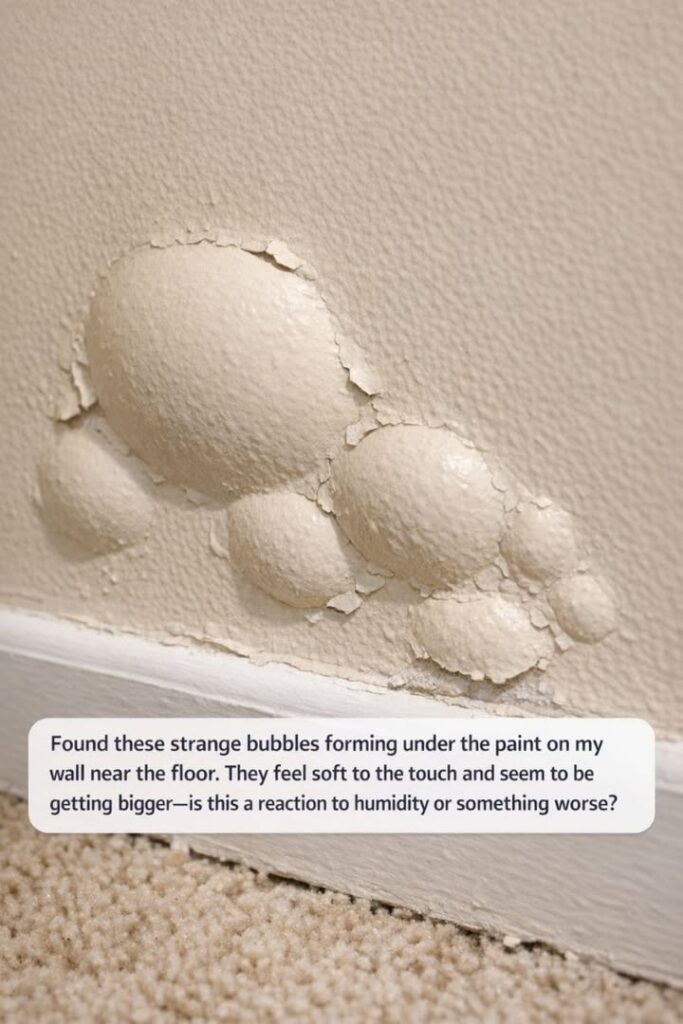
Finding soft bubbles forming beneath the paint on your walls can be alarming. They may start as small blisters but gradually expand, making you wonder whether the problem is simply high humidity or a warning sign of hidden water damage. While bubbling paint sometimes results from minor environmental conditions, it can also indicate moisture intrusion that requires immediate attention.
Understanding the cause of paint bubbles is essential for protecting your home’s appearance and preventing expensive repairs. In this guide, you’ll learn why paint bubbles develop, how to identify the underlying problem, and the most effective solutions to restore your walls while preventing future damage.
What Causes Soft Paint Bubbles?
Paint bubbles, also called paint blisters, occur when the paint loses its bond with the wall surface. Instead of remaining firmly attached, the paint lifts and creates soft pockets filled with moisture or trapped air.
ADVERTISEMENT
Several factors can cause this problem, including:
- Excess indoor humidity
- Water leaks inside walls
- Rising damp from the foundation
- Painting over damp surfaces
- Poor wall preparation before painting
- Low-quality or aging paint
- Inadequate ventilation
Although small bubbles may appear harmless, they should never be ignored because moisture trapped behind paint can eventually damage drywall, insulation, and even structural components.
Is It Humidity or Hidden Water Damage?
One of the first questions homeowners ask is whether the bubbling is caused by everyday humidity or something more serious.
Humidity is often responsible when:
- The room frequently becomes steamy.
- The bubbles appear in bathrooms, kitchens, or laundry rooms.
- There are no stains or unusual odors.
- The problem improves after ventilation.
Hidden water damage becomes more likely if:
- Bubbles continue growing.
- The paint begins peeling.
- You notice brown or yellow stains.
- Mold develops.
- A musty smell appears.
- The wall feels damp even during dry weather.
Using a digital hygrometer to monitor indoor humidity can help. Ideally, indoor humidity should remain between 30% and 50% to reduce moisture-related problems and improve overall indoor air quality.
Common Moisture Sources Behind Bubbling Paint
See more on the next page to continue reading →
ADVERTISEMENT