ADVERTISEMENT
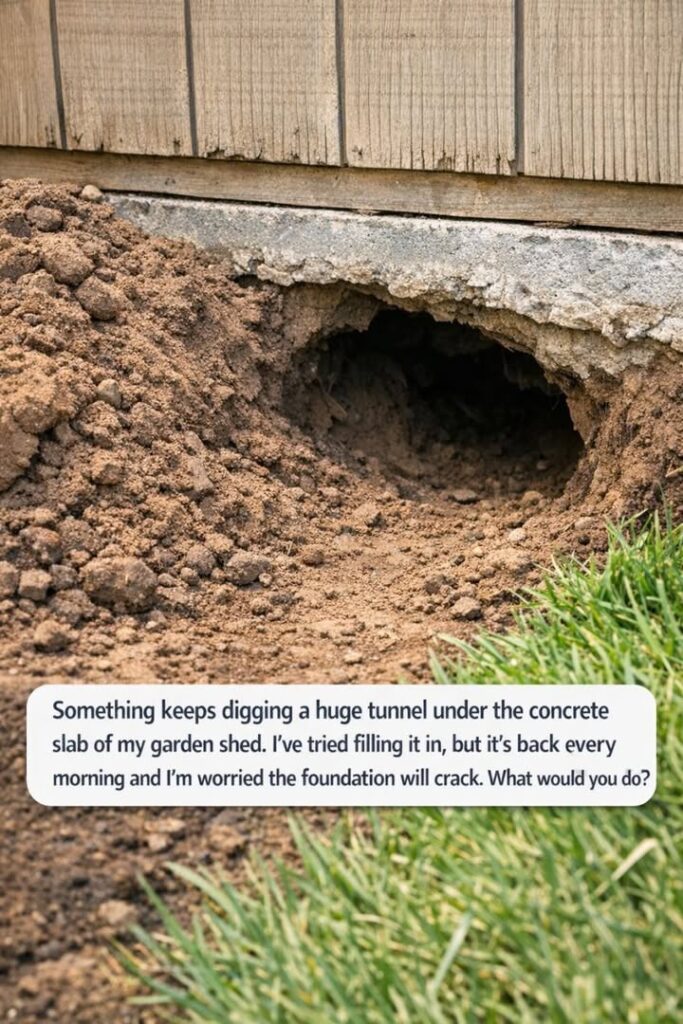
Finding a mysterious tunnel beneath your garden shed can be surprising—and a little concerning. A small opening near or under a concrete slab may seem harmless at first, but it could be a sign that a burrowing animal has made your property its home. Left unchecked, these tunnels can weaken the soil beneath your shed and potentially lead to foundation problems over time.
The good news is that most situations can be handled safely and effectively with the right approach. This guide explains what may be causing the tunnel, how to assess the situation, and practical ways to protect both your shed and the wildlife involved.
Why Animals Dig Beneath Garden Sheds
Garden sheds provide an ideal shelter for many burrowing animals. The concrete slab offers protection from rain, extreme temperatures, and predators, while nearby lawns, gardens, or wooded areas often provide easy access to food.
ADVERTISEMENT
Common animals that may dig beneath sheds include:
- Groundhogs (woodchucks)
- Rabbits
- Skunks
- Armadillos (in some regions)
- Rats or other rodents
Identifying the animal is the first step toward choosing the safest and most effective solution.
How to Identify the Burrowing Animal
Different animals leave different clues behind.
Groundhog burrows typically feature:
- Entrance holes approximately 6–12 inches wide
- Large piles of freshly excavated soil
- Multiple tunnel entrances
- Activity during daylight hours
Other signs to look for include:
- Footprints around the entrance
- Droppings nearby
- Damaged plants or vegetables
- Visible animal activity during morning or evening
If you’re unsure, a motion-activated wildlife camera can help identify the visitor without disturbing it.
Can Burrows Damage a Concrete Shed Foundation?
Yes, they can.
Burrowing animals remove soil that supports the concrete slab. As the underground tunnels expand, sections of the slab may lose support, increasing the risk of:
- Foundation settling
- Cracks in concrete
- Uneven flooring
- Doors that no longer close properly
- Water collecting beneath the structure
While not every burrow causes serious damage, addressing the issue early is far easier and less expensive than repairing structural problems later.
Inspect Your Shed for Early Warning Signs
Take a careful look around your shed and check for:
- New cracks in the concrete slab
- Uneven or sinking corners
- Gaps between the shed and foundation
- Doors or windows sticking
- Visible soil erosion around the perimeter
If you notice several of these signs, it’s worth monitoring the area closely and considering a professional inspection.
Temporary Ways to Discourage Digging
If the tunnel appears active, avoid immediately filling it in. Instead, use temporary measures while determining whether an animal is still living inside.
Possible short-term deterrents include:
- Placing heavy stones over secondary entrances
- Installing sturdy wire mesh around vulnerable areas
- Removing nearby brush or debris
- Keeping grass trimmed short
These methods may encourage the animal to relocate naturally without causing harm.
Humane Ways to Encourage Wildlife to Move On
See more on the next page to continue reading →
ADVERTISEMENT