ADVERTISEMENT
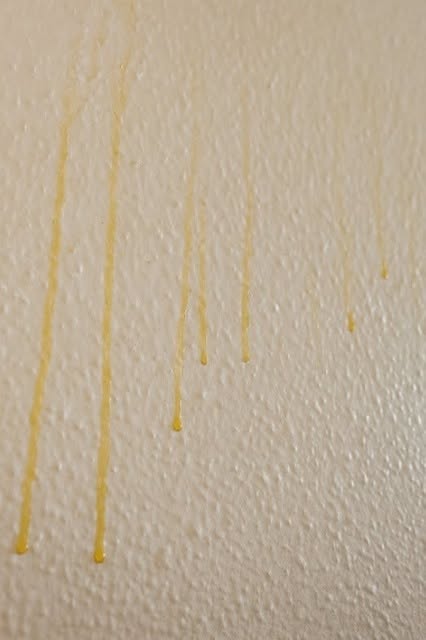
Have you ever stepped into your bathroom and noticed thin yellow streaks or sticky stains running down the walls? At first glance, they can be unsettling. Many homeowners immediately wonder if they’re dealing with mold, water damage, or a plumbing leak.
Fortunately, yellow residue on bathroom walls is often caused by everyday household conditions rather than a serious structural problem. Factors such as steam, condensation, dust, soap residue, and poor ventilation can gradually create discoloration that becomes noticeable over time.
Understanding the possible causes can help you clean the affected areas safely and prevent the problem from returning.
ADVERTISEMENT
Why Do Yellow Stains Appear on Bathroom Walls?
Bathrooms experience constant exposure to moisture, heat, and humidity. Every hot shower fills the room with steam, and without proper airflow, that moisture settles on walls and ceilings.
Over time, condensation combines with airborne particles and household residue, creating yellow or brown streaks that may slowly run down painted surfaces.
The exact cause depends on your home’s age, ventilation, and cleaning habits.
1. Smoke and Nicotine Residue
One of the most common causes of yellow streaks is old nicotine residue left behind from indoor smoking.
Even if no one currently smokes inside the home, nicotine and tar can remain trapped in painted walls and ceilings for years. When steam from a hot shower warms these surfaces, the residue may soften and begin to drip.
Common signs include:
- Sticky or oily texture
- Yellow or light brown streaks
- Strong odor in humid conditions
- Stains that become more noticeable after hot showers
2. Condensation Mixed with Dust
Bathrooms with limited ventilation often develop heavy condensation.
As moisture collects on walls, it mixes with:
- Household dust
- Airborne particles
- Grease from nearby kitchens
- Everyday dirt
Eventually, this buildup forms a yellowish film that may liquefy during periods of high humidity.
This type of residue is often found:
- Near the ceiling
- Around light fixtures
- Above the shower
- Close to the exhaust fan
3. Soap and Personal Care Product Residue
Every shower releases tiny airborne droplets from products such as:
- Shampoo
- Conditioner
- Body wash
- Soap
- Skin oils
Although invisible at first, these particles settle on walls over time. Combined with moisture and dust, they can create sticky yellow stains that become more noticeable after repeated exposure to steam.
Smaller bathrooms with limited airflow are especially prone to this type of buildup.
4. Poor Bathroom Ventilation
See more on the next page to continue reading →
ADVERTISEMENT