ADVERTISEMENT
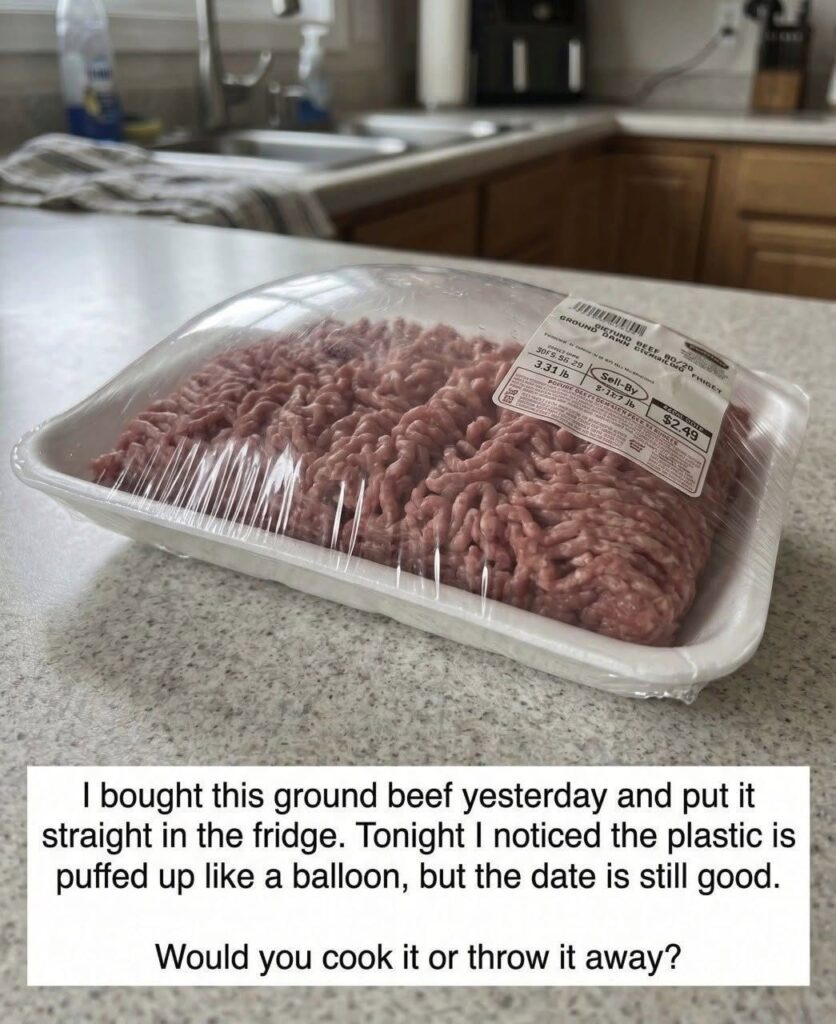
Wondering why some food packages are puffed with air? Learn why manufacturers add gas to certain foods, when bloated packaging is normal, and when it could signal spoilage.
Introduction
Have you ever opened your pantry, grabbed a bag of chips, and wondered why it feels almost ready to burst with air?
Many people assume they’re paying for “empty space,” but that extra room actually serves an important purpose. In many cases, the air inside food packaging helps protect the product and keep it fresh.
ADVERTISEMENT
However, not every swollen package is harmless. While some foods are intentionally packaged with gas, others may become bloated because of spoilage.
Here’s how to tell the difference.
Why Chip Bags Are Filled with Air
That puffy bag of potato chips isn’t actually filled with ordinary air.
Manufacturers typically fill chip bags with nitrogen gas, an odorless, food-safe gas that helps preserve freshness.
Nitrogen provides several important benefits:
- Protects chips from being crushed during shipping.
- Helps keep the chips crisp.
- Slows oxidation, which can make oils go rancid.
- Extends shelf life without affecting flavor.
The empty space inside the bag also acts as a cushion, preventing delicate chips from breaking before they reach your kitchen.
Why Some Foods Are Vacuum-Sealed
Unlike snack foods, many perishable products are packaged with little or no air.
Common examples include:
- Cheese
- Deli meats
- Sausages
- Smoked fish
- Fresh meats
Vacuum sealing removes oxygen, which helps:
- Slow the growth of many spoilage bacteria and molds.
- Preserve freshness.
- Extend shelf life.
- Reduce food waste.
Some products are also packaged using modified atmosphere packaging (MAP), where the air is replaced with carefully controlled mixtures of gases to maintain quality.
When Puffy Packaging Is Normal
See more on the next page to continue reading →
ADVERTISEMENT