Why These Tiny Bugs Appear, What They Are, and How to Get Rid of Them
ADVERTISEMENT
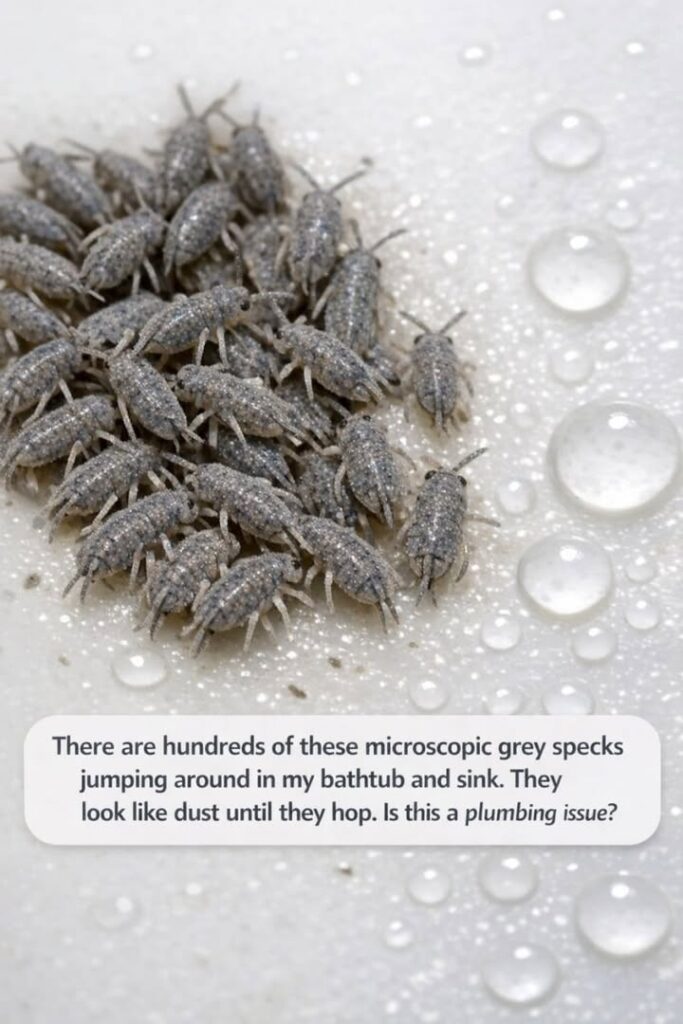
Spotting tiny gray specks that suddenly jump when disturbed can be surprising, especially when they seem to appear out of nowhere in your bathtub, sink, or bathroom floor. At first glance, they may look like dust particles or tiny fleas, but in many cases, these mysterious jumping insects are actually springtails.
While finding insects indoors is never pleasant, springtails are generally harmless and often serve as a warning sign of excess moisture rather than a serious pest problem. Understanding what attracts them and how to eliminate the conditions they thrive in can help you keep your home clean, dry, and pest-free.
What Are Those Tiny Jumping Specks?
The tiny insects you’re seeing are most likely springtails, small wingless creatures that belong to a group known as Collembola.
ADVERTISEMENT
Springtails are:
- Usually gray, white, brown, or black
- About 1–2 millimeters long
- Extremely small and easy to overlook
- Common in damp environments
- Known for their ability to jump suddenly when disturbed
Unlike many household pests, springtails do not bite, sting, or damage property. Their jumping ability comes from a specialized appendage called a furcula, which acts like a miniature spring beneath their bodies.
Why Are Springtails Appearing in Your Bathroom or Kitchen?
Springtails thrive in environments with high moisture levels. Bathrooms, kitchens, laundry rooms, and basements often provide ideal conditions.
Common reasons springtails appear include:
- Leaky pipes
- Dripping faucets
- Excess humidity
- Poor ventilation
- Condensation buildup
- Damp cabinets
- Mold or mildew growth
Because they feed primarily on mold, fungi, algae, and decaying organic material, their presence often points to hidden moisture problems rather than sanitation issues.
Springtails vs. Fleas: How to Tell the Difference
Many homeowners mistake springtails for fleas because both insects jump.
Springtails
- Tiny and slender
- Gray, white, or light brown
- Found around moisture
- Do not bite people or pets
- Feed on mold and organic matter
Fleas
- Dark brown or reddish
- More oval-shaped
- Found on pets, carpets, and upholstery
- Bite humans and animals
- Feed on blood
If you notice insects jumping near sinks, tubs, or damp areas rather than on pets or furniture, springtails are the more likely culprit.
Could Springtails Signal a Plumbing Problem?
In some cases, yes.
While the insects themselves are harmless, large numbers of springtails often indicate excessive moisture somewhere in the home.
Potential causes include:
- Hidden pipe leaks
- Slow plumbing drips
- Water intrusion behind walls
- Faulty seals around tubs and showers
- Poor ventilation systems
If springtails continue appearing despite cleaning efforts, investigating possible moisture issues is important.
Hidden Sources of Moisture You Might Be Missing
Some moisture problems aren’t immediately visible.
Check for:
Under-Sink Leaks
Even a slow drip can create ideal conditions for springtails.
Shower and Tub Seals
Cracked caulk can allow moisture to collect behind walls.
Window Condensation
Persistent condensation can encourage mold growth and attract springtails.
Damp Bath Mats and Towels
Moist fabrics can create favorable breeding conditions.
Poor Ventilation
Bathrooms without adequate airflow often trap humidity for long periods.
Easy DIY Moisture Checks
See more on the next page to continue reading →
ADVERTISEMENT