3. Poor Soil Conditions
ADVERTISEMENT
Healthy soil is essential for strong root development and vibrant blooms.
Hydrangeas perform best in:
- Well-draining soil
- Organic-rich soil
- Consistent moisture levels
- Balanced nutrient content
Adding compost annually can significantly improve soil quality and help plants retain moisture while maintaining proper drainage.
ADVERTISEMENT
4. Too Much or Too Little Sunlight
Finding the right light conditions is critical.
Most hydrangeas prefer:
- Morning sunlight
- Afternoon shade
- Protection from intense summer heat
Excessive direct sunlight can scorch leaves and dry out blooms, while too much shade may reduce flowering.
A location that receives 4–6 hours of gentle morning sun is often ideal.
5. Incorrect Pruning Practices
Many hydrangeas fail to bloom because they were pruned at the wrong time.
Some varieties bloom on old wood, while others bloom on new wood.
Pruning at the wrong season may accidentally remove next year’s flower buds.
Before pruning:
- Identify your hydrangea variety
- Remove only dead or damaged stems
- Use clean, sharp pruning tools
Proper pruning encourages healthy growth and more abundant flowering.
6. Over-Fertilizing Your Plants
While fertilizer can encourage growth, too much can actually reduce flowering.
Excess nitrogen often causes:
- Large green leaves
- Fewer blooms
- Weak stems
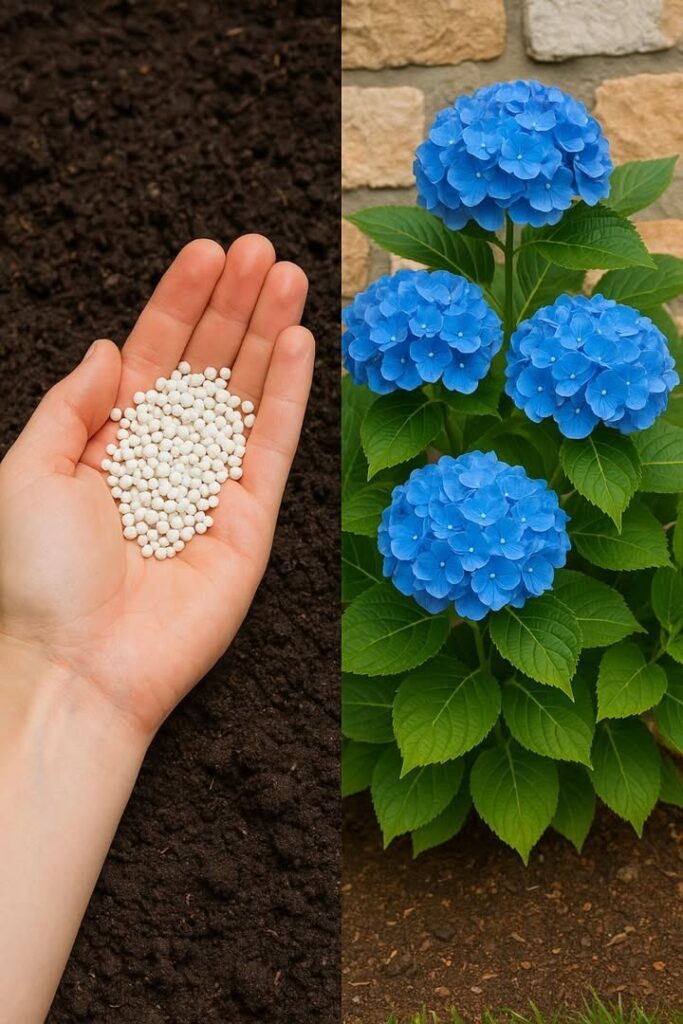
Use a balanced, slow-release fertilizer in early spring and follow label recommendations carefully.
7. Ignoring Pest Problems
Several common garden pests can weaken hydrangeas over time.
Watch for:
- Aphids
- Spider mites
- Scale insects
- Japanese beetles
Regular inspections allow you to detect infestations before they become severe.
Natural solutions such as insecticidal soap or neem oil can often manage minor pest issues effectively.
8. Failing to Prevent Disease
Hydrangeas can be affected by fungal diseases, particularly in humid environments.
Common issues include:
Powdery Mildew
A white, powder-like coating on leaves.
Leaf Spot
Dark spots that spread across foliage.
Root Rot
Often caused by poor drainage and overwatering.
Good airflow, proper spacing, and watering at the base of the plant can help reduce disease risks.
9. Neglecting Seasonal Care
Hydrangea care changes throughout the year.
Spring
- Prune if appropriate
- Fertilize
- Apply fresh mulch
Summer
- Maintain consistent watering
- Monitor for pests
- Protect during heat waves
Fall
- Reduce fertilization
- Clean fallen leaves
- Prepare for dormancy
Winter
- Protect roots with mulch
- Shield sensitive varieties from harsh freezes
Seasonal maintenance helps hydrangeas remain healthy year after year.
10. Using Household Garden Hacks Incorrectly
Many gardeners use coffee grounds and eggshells around hydrangeas.
Coffee Grounds
Can add organic matter and may slightly influence soil acidity over time.
Eggshells
Provide calcium and improve soil texture as they break down.
While these natural amendments can be beneficial, they should supplement—not replace—a comprehensive soil care program.
11. Waiting Too Long to Address Problems
Small issues often become major problems when left untreated.
If your hydrangea shows signs of decline, act quickly:
- Check soil moisture
- Inspect for pests
- Evaluate sunlight exposure
- Review fertilization practices
- Examine roots if necessary
Early intervention often makes the difference between recovery and plant loss.
How Long Do Hydrangeas Live?
When properly cared for, hydrangeas can live for several decades. Some mature shrubs remain productive and beautiful for 50 years or more.
The secret to longevity lies in providing:
- Consistent watering
- Quality soil
- Proper pruning
- Adequate sunlight
- Seasonal protection
Final Thoughts
Hydrangeas are remarkably resilient plants when their basic needs are met. Most cases of poor growth, reduced flowering, or premature decline stem from a handful of common mistakes that are easy to correct.
By understanding your hydrangea variety, improving soil conditions, watering correctly, and providing proper seasonal care, you can enjoy healthier plants, larger blooms, and a breathtaking garden display for many years to come.
ADVERTISEMENT