ADVERTISEMENT
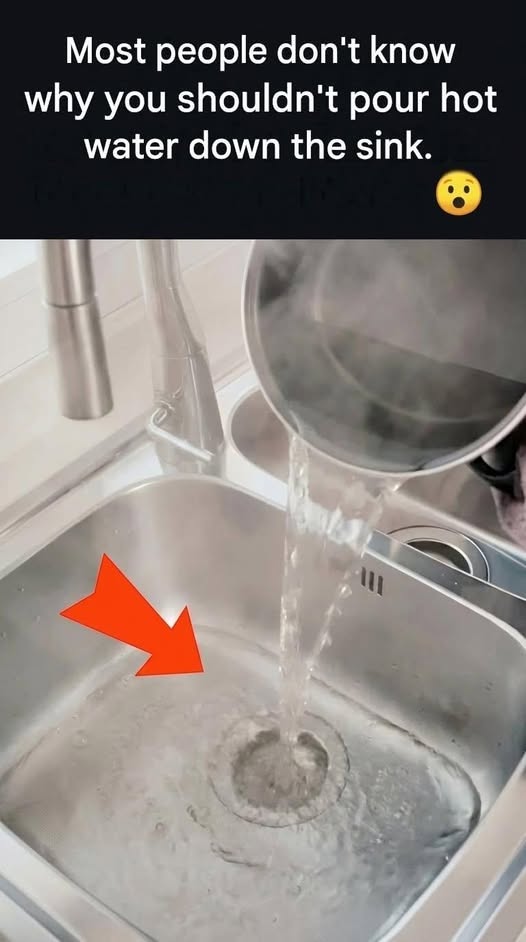
It seems harmless. You’ve just finished cooking pasta or brewing tea, and instead of waiting for the water to cool, you pour it straight down the kitchen sink.
Millions of people do it every day without a second thought.
But depending on your home’s plumbing system, this common habit could quietly contribute to costly problems over time.
ADVERTISEMENT
The Hidden Risk
While metal plumbing can generally tolerate high temperatures, many modern homes use PVC (plastic) drain pipes.
PVC is strong, affordable, and resistant to corrosion, but it does have limits. Boiling water reaches approximately 212°F (100°C), which can be close to or exceed the temperatures that some plastic plumbing components are designed to handle regularly.
Repeated exposure to extremely hot water may contribute to:
- Softening of plastic pipes
- Weakening of pipe connections
- Increased risk of leaks
- Premature wear on plumbing components
A single pot of boiling water is unlikely to cause immediate damage. However, making it a daily habit can place unnecessary stress on your plumbing system over the years.
Hot Water and Grease: A Common Misunderstanding
Many people assume that pouring boiling water down the drain helps eliminate grease buildup.
Unfortunately, it often has the opposite effect.
Here’s what happens:
- The hot water melts fats, oils, and grease.
- The liquefied grease travels farther into the plumbing system.
- As it cools, it solidifies again.
- The grease sticks to pipe walls and begins accumulating.
Over time, this buildup can lead to:
- Slow-draining sinks
- Unpleasant odors
- Recurring clogs
- Costly plumbing repairs
Even small amounts of cooking grease can accumulate surprisingly quickly.
What About Garbage Disposals?
See more on the next page to continue reading →
ADVERTISEMENT
ADVERTISEMENT