ADVERTISEMENT
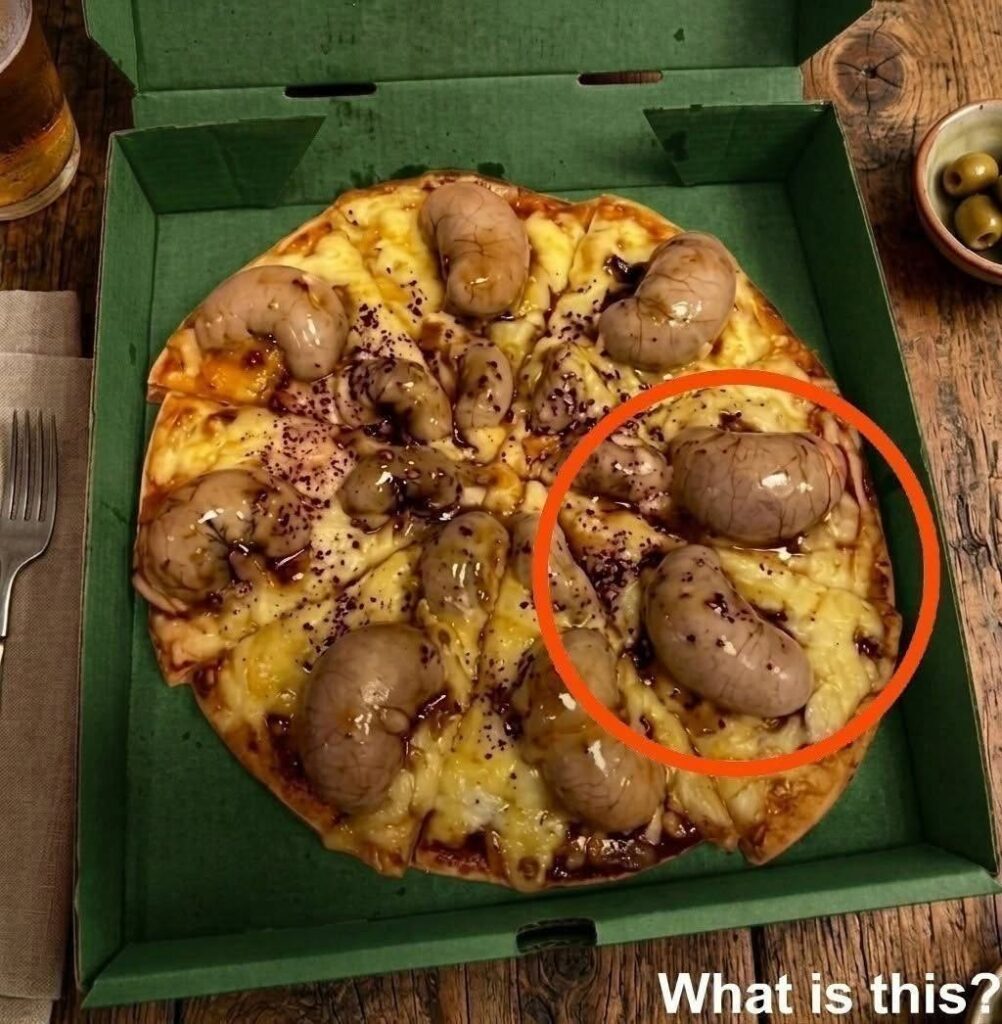
Several factors can contribute to this effect, including the hydration level of the dough, the amount of cheese used, the baking temperature, and how quickly the pizza cooks. High-temperature ovens, especially those used in pizzerias, can produce these bubbles more frequently because the rapid heat causes steam to expand before it has time to escape.
In most cases, these bubbles are simply a cosmetic result of the cooking process and do not indicate that the pizza is spoiled or unsafe to eat. If the pizza smells fresh, has been handled properly, and shows no signs of mold, unusual discoloration, or off odors, the bubbles are generally nothing to worry about.
If you’d rather have a smoother-looking pizza, many pizza makers gently pop large air bubbles with a utensil while the pizza is baking. This allows trapped steam to escape and creates a more even layer of melted cheese.
ADVERTISEMENT
Final Thoughts
Raised bubbles beneath the cheese may look unexpected, but they are usually a natural result of heat, steam, and trapped air expanding during baking. They are a common feature of freshly baked pizzas and are generally considered normal. Understanding why they appear can make your next pizza delivery a little less surprising and let you enjoy your meal with confidence.
ADVERTISEMENT