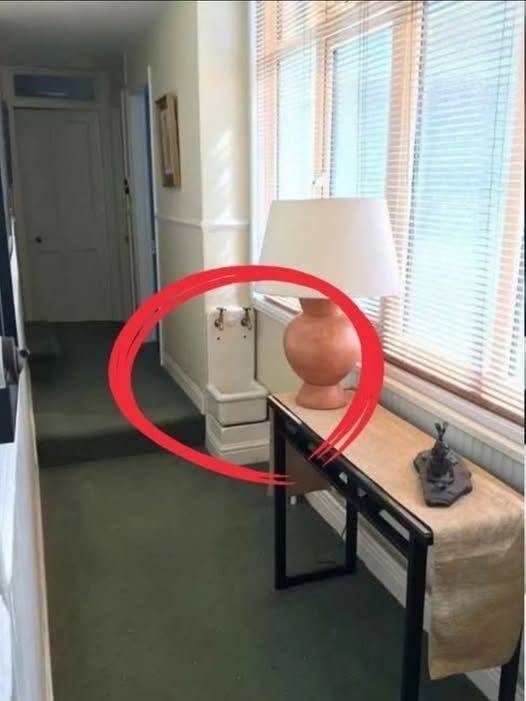
Common Features of Historic Hallway Sinks
ADVERTISEMENT
Most hallway sinks shared several characteristics:
Compact Design
Space was valuable, so these sinks were intentionally small and unobtrusive.
Wall-Mounted Installation
Many were attached directly to the wall, often featuring exposed plumbing and simple porcelain basins.
ADVERTISEMENT
Cold Water Only
Hot water systems were expensive and less common. As a result, many hallway sinks supplied only cold water.
Minimal Plumbing
Builders often installed just a basic water line and drain, making these sinks affordable and easy to maintain.
Built-In Storage
Some models included:
- Small shelves
- Soap holders
- Washcloth racks
- Simple storage compartments
Homes Where Hallway Sinks Were Most Common
These practical fixtures appeared in a variety of home styles, including:
Farmhouses
Farm families frequently used hallway sinks after outdoor chores and agricultural work.
Victorian Homes
Larger Victorian homes often incorporated hallway wash stations to promote cleanliness before entering formal living spaces.
Early City Row Houses
Urban homes with limited bathrooms sometimes included hallway sinks as an additional convenience for residents.
Why Hallway Sinks Look Strange Today
Modern homeowners naturally associate sinks with bathrooms, kitchens, and laundry rooms.
As plumbing technology advanced, houses evolved to include:
- Multiple bathrooms
- Dedicated powder rooms
- Mudrooms
- Utility sinks
- Improved water systems
The original purpose of hallway sinks gradually disappeared.
As generations passed, many homeowners forgot why these unusual fixtures existed in the first place.
Today, discovering one can feel like stumbling upon a hidden architectural mystery.
Fascinating Facts About Hallway Sinks
- Many original sinks were made from durable porcelain or cast iron.
- Some homes featured decorative tile backsplashes behind the sink.
- Exposed plumbing was considered completely normal at the time.
- Hallway sinks often increased convenience without requiring a full bathroom addition.
- Many surviving examples are now sought-after features in historic home restorations.
A Forgotten Piece of Smart Home Design
While they may seem unusual by today’s standards, hallway sinks were actually an early example of practical home design.
They provided quick access to running water, helped keep homes cleaner, and reflected the everyday needs of families living more than a century ago.
The next time you spot a small sink tucked into a hallway of an older house, you’ll know it’s not a design mistake at all.
It’s a fascinating reminder of how people adapted their homes long before modern conveniences became commonplace.
Final Thoughts
Hallway sinks may look odd to modern eyes, but they once served an important purpose in everyday life. These compact fixtures helped families stay clean, reduced dirt throughout the home, and made the most of limited plumbing systems.
Far from being a strange architectural quirk, the hallway sink represents a clever solution from a time when every water connection mattered.
ADVERTISEMENT