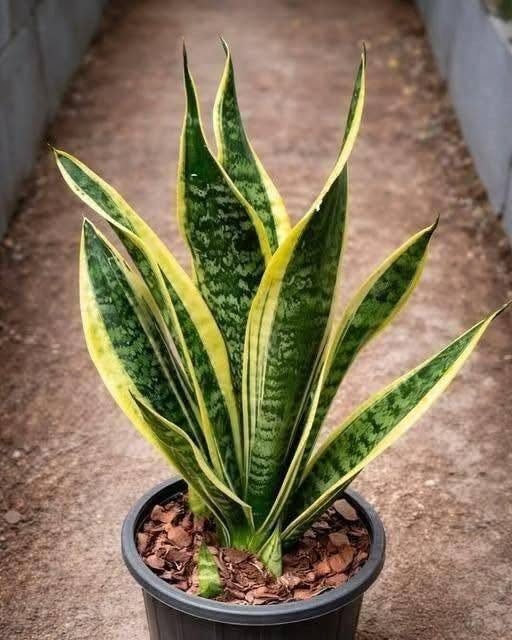
4. Thrives in Low-Light Conditions
ADVERTISEMENT
Many indoor plants require bright sunlight to survive. Snake plants are remarkably adaptable and can tolerate:
- Low-light rooms
- Indirect sunlight
- Artificial office lighting
- Bright filtered light
Although growth is faster in brighter conditions, they remain healthy in spaces where many other plants struggle.
5. Adds Beauty to Any Interior Design Style
The snake plant’s upright, sculptural appearance makes it a favorite among interior designers.
ADVERTISEMENT
It complements:
- Modern homes
- Minimalist interiors
- Farmhouse décor
- Contemporary apartments
- Traditional living spaces
Its clean lines and striking foliage make it both a decorative and functional addition to any room.
6. Requires Very Little Water
Overwatering is one of the most common reasons houseplants fail.
Fortunately, snake plants store moisture in their thick leaves, allowing them to tolerate periods of drought.
Watering Tips
- Allow soil to dry between waterings
- Water less frequently during winter
- Ensure proper drainage
- Avoid standing water in pots
In many homes, watering every few weeks is sufficient.
7. Can Help Create a More Relaxing Indoor Environment
Studies consistently show that indoor greenery can contribute to a more pleasant living environment.
Benefits often associated with houseplants include:
- Reduced stress levels
- Improved mood
- Enhanced comfort
- Greater connection to nature
- More inviting living spaces
While the plant itself isn’t a medical treatment, many homeowners find that adding greenery creates a calmer and more enjoyable atmosphere.
8. Long Lifespan and Excellent Value
Unlike some decorative plants that decline quickly, snake plants can thrive for many years with minimal care.
A healthy plant can:
- Continue growing for decades
- Produce new shoots and offsets
- Be divided into multiple plants
- Remain attractive year-round
This longevity makes it one of the most cost-effective houseplants available.
How to Care for a Snake Plant
Light
- Low to bright indirect light
- Tolerates artificial lighting
Water
- Water only when soil is completely dry
- Reduce watering during cooler months
Temperature
- Best between 60°F and 85°F (15°C to 29°C)
Soil
- Well-draining potting mix
- Succulent or cactus soil works well
Fertilizer
- Feed lightly during spring and summer
Where Should You Place a Snake Plant?
Ideal locations include:
- Bedrooms
- Living rooms
- Home offices
- Entryways
- Bathrooms with adequate light
Because of its adaptability, the snake plant can thrive in areas where many other indoor plants struggle.
Is the Snake Plant Safe for Pets?
Pet owners should be aware that snake plants can be mildly toxic if chewed or ingested by cats and dogs.
Possible symptoms include:
- Nausea
- Drooling
- Mild stomach upset
If you have curious pets, place the plant in an area that is difficult for them to access.
Final Thoughts
The snake plant has earned its reputation as one of the best indoor plants for modern homes. Combining attractive foliage, exceptional durability, and air-quality benefits, it offers an easy way to introduce greenery into almost any space.
Whether you’re a seasoned plant enthusiast or someone who has struggled with houseplants in the past, the snake plant delivers beauty, convenience, and long-lasting value. Its ability to thrive with minimal care makes it an ideal choice for anyone seeking a healthier, more welcoming home environment.
ADVERTISEMENT