Potential Benefits for Older Adults
ADVERTISEMENT
As we age, maintaining adequate nutrient intake becomes increasingly important.
Purslane may help support healthy aging by contributing nutrients involved in:
- Heart health
- Bone maintenance
- Muscle function
- Immune support
- Eye health
- Cognitive wellness
- Healthy skin
It’s important to note that these benefits come from its nutrient content as part of an overall healthy diet—not because purslane acts as a medicine or cure.
ADVERTISEMENT
How to Eat Purslane
Purslane has a crisp texture and a mild, slightly tangy flavor similar to spinach with a hint of lemon.
It can be enjoyed in many ways.
Fresh
- Mixed into green salads
- Added to sandwiches
- Used in wraps
Cooked
- Stir-fried with garlic
- Added to soups
- Mixed into stews
- Sautéed with vegetables
- Included in omelets
Smoothies
Young leaves can also be blended into green smoothies.
Choosing and Storing Purslane
Look for:
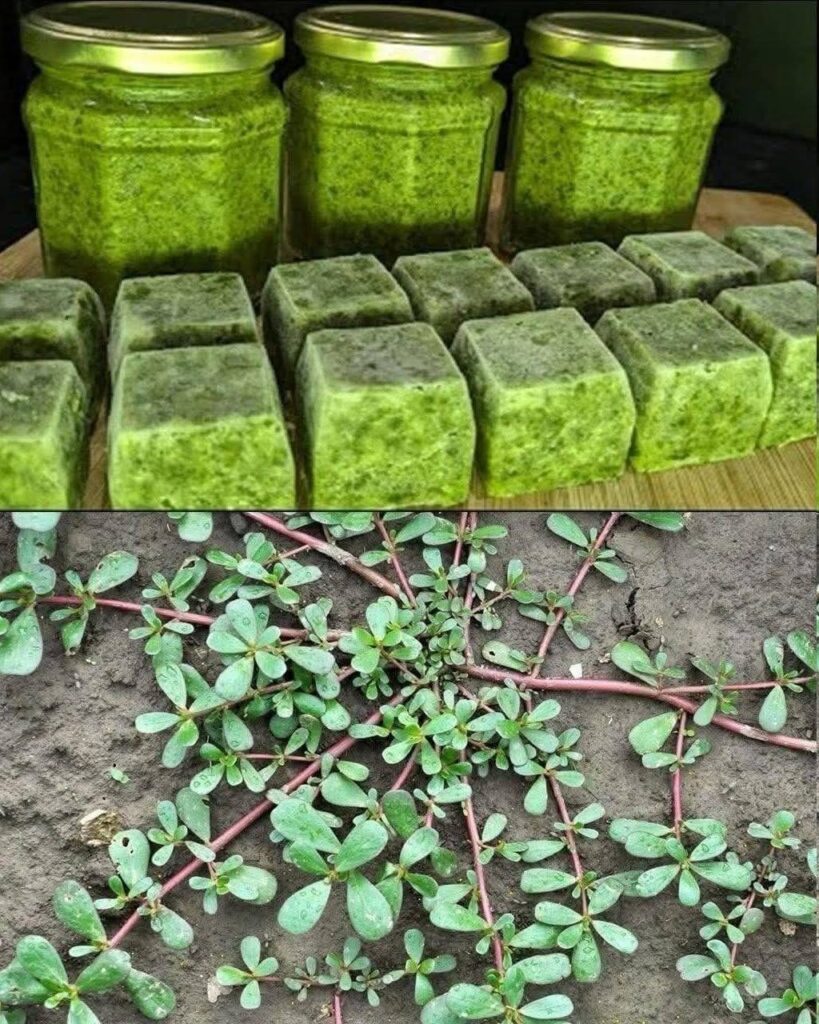
- Bright green leaves
- Firm stems
- No signs of wilting
Store fresh purslane in the refrigerator inside a loosely sealed plastic bag or wrapped in a damp paper towel.
For the best flavor and texture, use it within a few days.
Is Purslane Safe to Eat?
For most healthy adults, purslane is safe when consumed as a food.
However, purslane naturally contains oxalates, compounds found in many leafy greens such as spinach and beet greens.
People with a history of certain kidney stones or those following a low-oxalate diet should speak with their healthcare provider before eating large amounts regularly.
As with any wild edible plant, only harvest purslane from areas free of pesticides, herbicides, and roadside pollution, and ensure proper identification before consumption.
Frequently Asked Questions
Is purslane a weed or a vegetable?
It is both. While many gardeners consider it a weed, purslane is also an edible leafy vegetable enjoyed in many traditional cuisines around the world.
Does purslane contain more omega-3 than spinach?
Yes. Purslane generally contains considerably more alpha-linolenic acid (ALA) than most commonly consumed leafy greens.
Can purslane replace fish as an omega-3 source?
Purslane provides plant-based ALA, whereas fish supply EPA and DHA directly. Both can contribute to a healthy diet, but they are not nutritionally identical.
Can I eat purslane raw?
Yes. Young leaves and tender stems are commonly eaten raw in salads or cooked in various dishes.
Final Thoughts
Purslane (Portulaca oleracea) is far more than a common garden weed. It is a nutrient-rich edible plant that provides plant-based omega-3 fatty acids, antioxidants, vitamins, minerals, and fiber, all of which contribute to overall health and healthy aging.
Although no single food can prevent disease or slow aging on its own, regularly including a variety of nutrient-dense vegetables like purslane as part of a balanced diet may support heart health, digestion, bone strength, and overall wellness. When properly identified and safely prepared, purslane can be a delicious and nutritious addition to many everyday meals.
ADVERTISEMENT