Why Purple Paint Is Used Instead of Signs
ADVERTISEMENT
Traditional “No Trespassing” signs can be:
- Stolen
- Damaged by weather
- Hard to maintain on large properties
- Expensive to replace frequently
Purple paint solves these problems because it is:
- Weather-resistant
- Long-lasting
- Difficult to remove
- Visible from a distance
- Cost-effective for large landowners
This makes it especially useful for farms, ranches, forests, and undeveloped land.
ADVERTISEMENT
What the Purple Markings Actually Mean
A vertical purple stripe painted on a tree or post generally means:
🚫 Do Not Enter
The property is privately owned, and entry is prohibited without permission.
⚠️ You Are Legally Notified
In states where the law applies, the purple marking carries the same legal weight as a posted sign.
🏞️ Boundaries Are Clearly Marked
The markings are usually placed:
- At eye level
- Along property lines
- On trees, fence posts, or poles
- At regular intervals (as defined by state law)
Why Purple Paint Specifically?
Purple was chosen for a practical reason:
- It stands out against natural backgrounds
- It is not commonly used in other official markings
- It remains visible in different weather conditions
- It is less likely to be confused with utility or construction markings
The goal is simple: make property boundaries clear without relying on fragile signage.
Legal Importance of Purple Paint
In states that recognize the law, purple paint serves as a legal warning equivalent to signage.
This means that:
- Trespassing can still lead to fines or legal action
- “I didn’t see a sign” is not a valid defense
- Property owners have legal backing to enforce boundaries
However, exact legal requirements differ depending on the state, including:
- Length and width of paint marks
- Height from the ground
- Distance between markings
- Types of surfaces allowed
Where You’re Most Likely to See It
Purple paint markings are most common in:
- Rural farmland
- Ranches and cattle properties
- Private forests
- Hunting lands
- Large undeveloped plots
- Timber company land
These areas often span hundreds or thousands of acres, making traditional signage impractical.
What You Should Do If You See Purple Paint
If you encounter purple paint markings, the safest action is simple:
✔️ Stop and Turn Around
Assume the area is private property unless you have explicit permission to enter.
✔️ Look for Additional Markings
Some properties combine purple paint with:
- Gates
- Fences
- Warning signs
- Private road signage
✔️ Respect Boundaries
Even if the land appears open or unused, it may still be legally protected private property.
Why This Law Matters
The Purple Paint Law helps:
- Protect landowners from trespassing
- Reduce property damage
- Improve clarity in rural areas
- Offer a low-maintenance boundary system
- Support agricultural and forestry operations
It is a simple but effective solution to a common rural challenge.
Final Thoughts
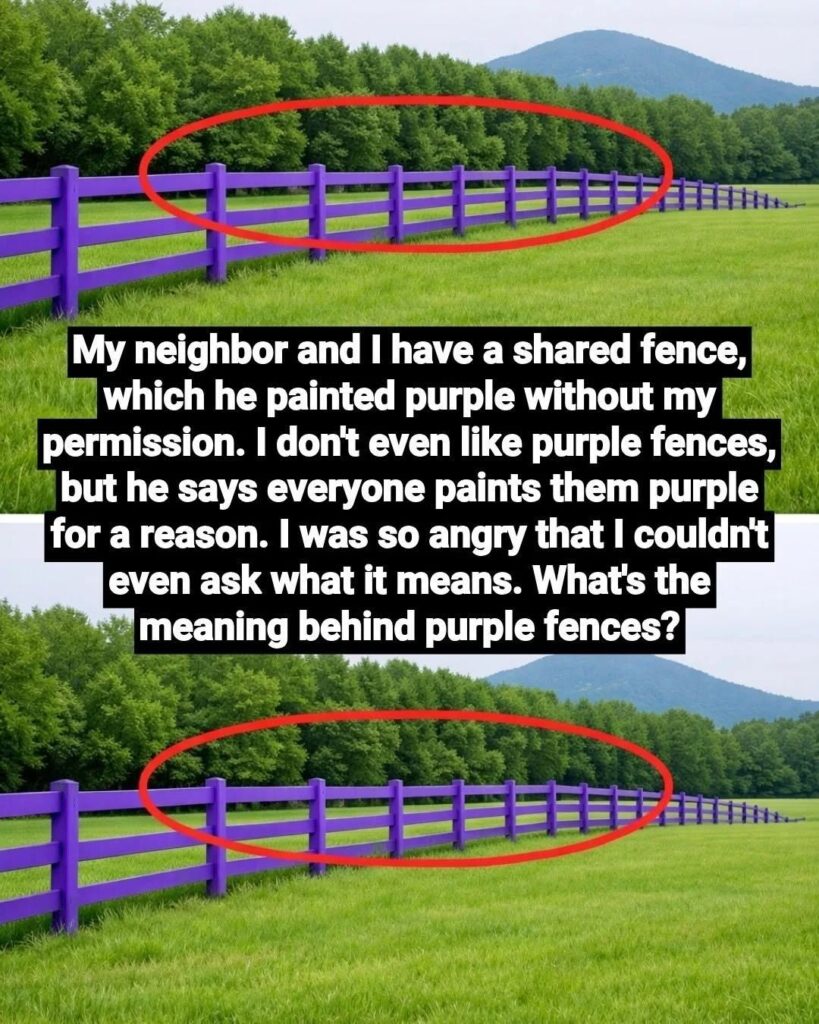
Purple paint on trees is more than a color choice—it is a legally recognized warning system used across many U.S. states to protect private property.
Understanding this marking helps prevent accidental trespassing, promotes respect for land ownership, and keeps both visitors and property owners safe.
Next time you see a purple stripe on a tree or fence post, remember: it’s not decoration—it’s a clear message that you are entering private property.
ADVERTISEMENT