The Real Secret: Preventing Weeds Before They Grow
ADVERTISEMENT
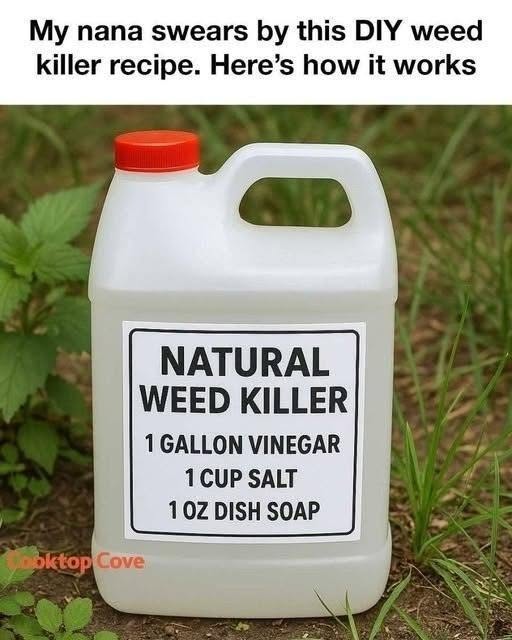
While homemade weed killers can help manage existing weeds, prevention is often the most effective long-term strategy.
1. Apply Mulch
A thick layer of mulch helps:
- Block sunlight from reaching weed seeds
- Retain soil moisture
- Improve soil quality
- Reduce weed germination
Popular mulch options include:
ADVERTISEMENT
- Wood chips
- Straw
- Pine bark
- Shredded leaves
2. Plant Densely
Healthy plants naturally compete with weeds.
By filling empty garden spaces with desired plants, you reduce the room available for weeds to establish themselves.
3. Remove Weeds Early
Young weeds are easier to eliminate than mature plants.
Regular inspections allow you to remove weeds before they develop deep roots or produce seeds.
4. Minimize Soil Disturbance
Frequent digging can bring buried weed seeds to the surface.
Reducing unnecessary soil disruption helps limit future weed growth.
5. Use Landscape Fabric
Landscape barriers can provide additional protection in:
- Garden pathways
- Decorative beds
- Vegetable rows
- Gravel areas
When combined with mulch, they create an effective defense against persistent weeds.
Important Safety Tips
Before using any homemade weed-control solution:
- Wear gloves during application.
- Avoid spraying on windy days.
- Keep pets and children away until the area dries.
- Never spray directly onto plants you want to keep.
- Test a small area first before widespread use.
Remember that natural does not always mean harmless. Vinegar and salt can still affect surrounding vegetation and soil conditions.
Frequently Asked Questions
Does Homemade Weed Killer Kill Roots?
Results vary depending on the type of weed. Some annual weeds may die completely, while deep-rooted perennial weeds may require multiple treatments.
Is It Safe for Vegetable Gardens?
It is generally best to avoid spraying vinegar-and-salt mixtures directly in vegetable gardens because they can harm desirable plants and affect soil quality.
When Is the Best Time to Apply It?
Warm, sunny, and dry days typically provide the best conditions for foliar treatments.
Can It Replace Commercial Herbicides?
Homemade solutions can be useful for spot treatments but may not always provide the same long-term control as specialized commercial products.
Final Thoughts
Nana’s homemade weed killer is a reminder that simple solutions often stand the test of time. While no weed-control method is perfect, combining natural treatments with smart gardening practices can help reduce maintenance and keep your outdoor spaces looking their best.
The most successful gardeners know that weed management isn’t just about removing unwanted plants—it’s about creating an environment where they struggle to grow in the first place.
ADVERTISEMENT