ADVERTISEMENT
Discover why maggots appear in trash cans, how to remove them safely, and the best ways to prevent future infestations with easy household cleaning methods.
How to Get Rid of Maggots in Your Trash Can (And Prevent Them from Coming Back)
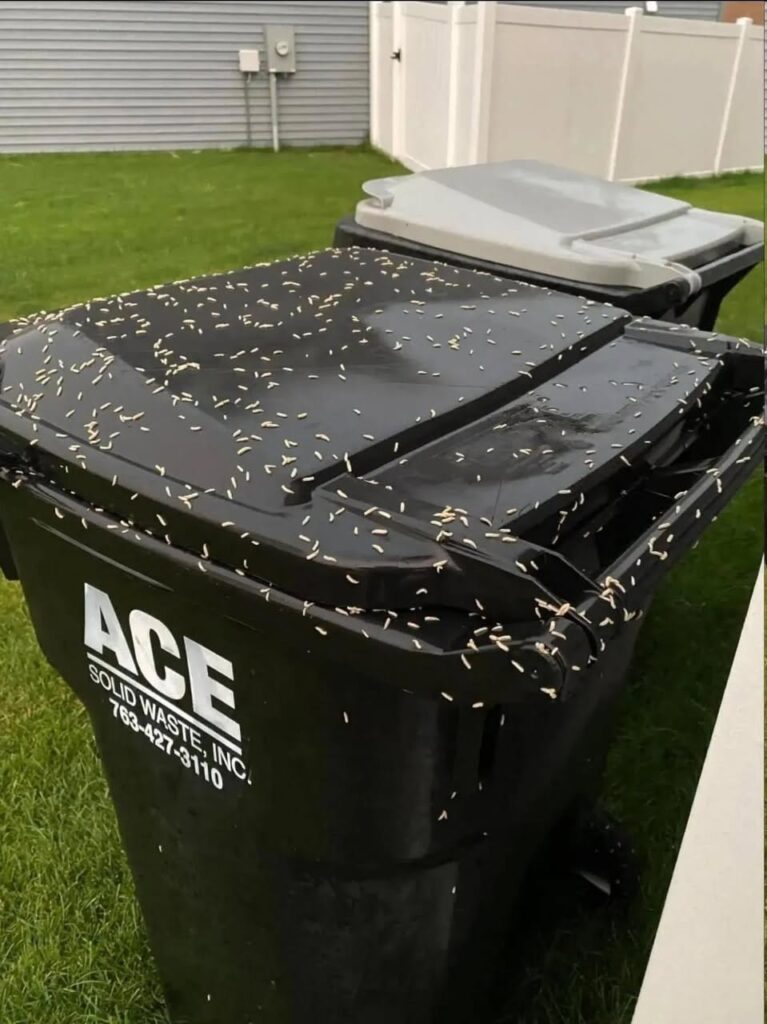
Opening your trash can and discovering maggots can be an unpleasant surprise. One day everything seems normal, and the next, you notice small white larvae moving around inside the bin.
While it may be alarming, maggot infestations are actually a common household problem, especially during warm weather. The good news is that they’re relatively easy to eliminate once you understand why they appear and how to prevent them.
ADVERTISEMENT
Let’s look at what causes maggots, how to remove them effectively, and the best strategies to keep your trash can clean and pest-free.
What Are Maggots?
Maggots are the larval stage of flies, most commonly houseflies.
Adult flies are attracted to food waste, especially:
- Meat scraps
- Seafood waste
- Dairy products
- Overripe fruits
- Food-soiled packaging
When flies find suitable organic material, they may lay eggs on or near it. Under warm conditions, those eggs can hatch within a day, producing maggots.
Because trash cans often provide warmth, moisture, and food sources, they create an ideal environment for fly larvae to develop.
Why Do Maggots Appear in Trash Cans?
Several factors increase the likelihood of an infestation:
Warm Temperatures
Hot weather accelerates egg hatching and larval growth.
Food Waste
Organic waste provides an excellent food source for developing larvae.
Moisture
Damp conditions inside trash bins help support fly activity.
Open or Damaged Lids
Easy access allows flies to enter and lay eggs.
Delayed Trash Removal
The longer food waste remains in the bin, the greater the opportunity for flies to reproduce.
How to Remove Maggots from a Trash Can
If you discover maggots, it’s important to clean the bin thoroughly.
Method 1: Use Boiling Water
See more on the next page to continue reading →
ADVERTISEMENT
ADVERTISEMENT