ADVERTISEMENT
A hot air balloon ride is one of the most memorable travel experiences available. Floating peacefully above mountains, vineyards, deserts, forests, or historic cities offers breathtaking views and a unique perspective that few other forms of transportation can match.
Each year, thousands of travelers enjoy commercial balloon flights around the world. Professional operators follow strict aviation regulations, conduct routine equipment inspections, and carefully monitor weather conditions to ensure passenger safety.
Although serious incidents occasionally make international headlines, hot air ballooning has maintained a strong safety record when flights are operated by qualified pilots under suitable weather conditions. Understanding how balloon flights work and the precautions taken before takeoff can help travelers make informed decisions and enjoy the experience with confidence.
ADVERTISEMENT
How Does a Hot Air Balloon Work?
Unlike airplanes or helicopters, hot air balloons rely on a simple scientific principle: warm air rises.
The balloon’s burner heats the air inside the large fabric envelope. As the heated air becomes less dense than the cooler air outside, the balloon lifts into the sky.
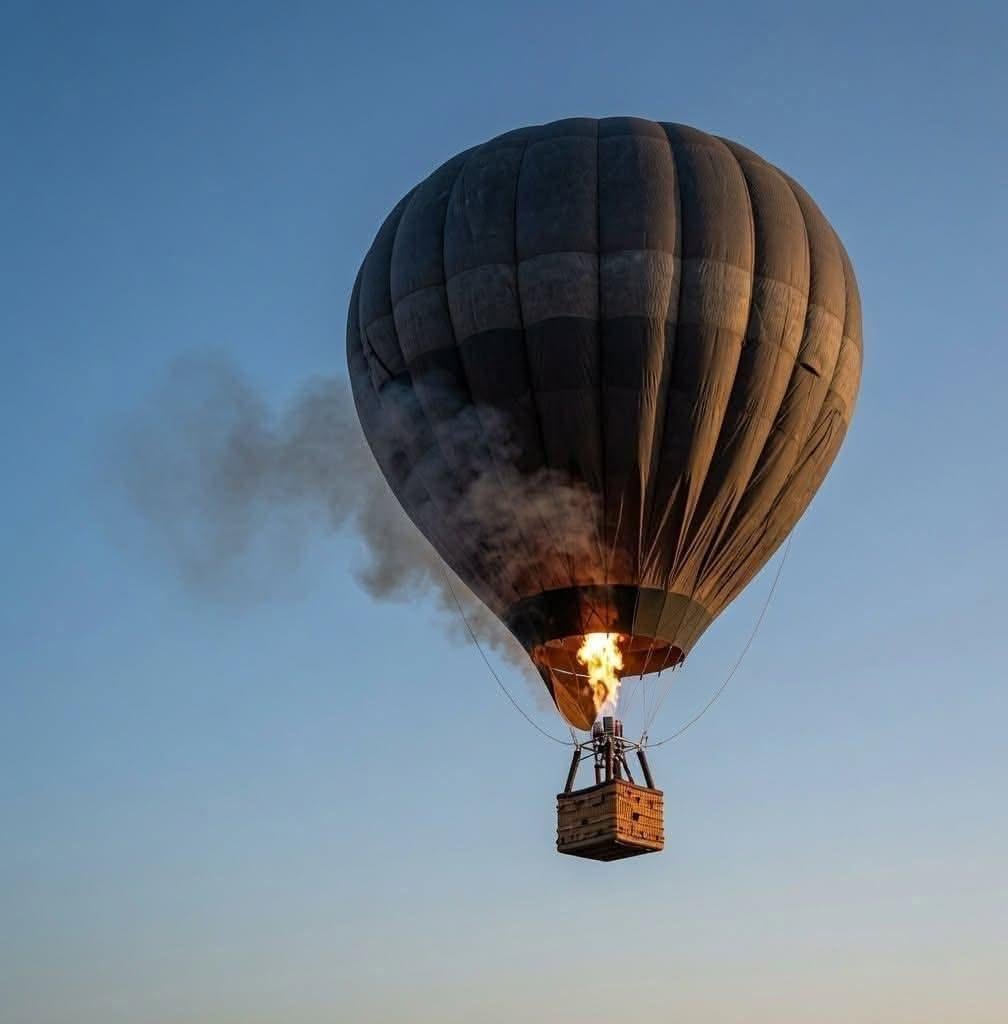
A standard hot air balloon includes three primary components:
- Envelope: The large, heat-resistant fabric that holds the hot air.
- Basket (Gondola): The compartment that carries the pilot and passengers.
- Burner System: Propane-powered burners that generate the heat needed to maintain altitude.
The pilot controls altitude by increasing or decreasing the temperature inside the envelope, while horizontal movement depends largely on wind direction at different elevations.
Are Hot Air Balloon Rides Safe?
Commercial balloon rides are generally considered safe when operated by licensed pilots who follow established aviation safety standards.
Before every flight, operators typically perform:
- Equipment inspections
- Burner and fuel system checks
- Weather assessments
- Passenger safety briefings
- Flight route planning
Because balloons cannot steer like airplanes, weather conditions play the most important role in determining whether a flight should proceed.
Weather Plays a Critical Role
Professional balloon pilots closely monitor weather forecasts before every launch.
Flights are commonly postponed or canceled if conditions include:
- Strong or gusty winds
- Thunderstorms
- Heavy rainfall
- Dense fog
- Poor visibility
- Rapid weather changes
Delaying a flight due to weather is considered a normal and responsible safety decision.
Common Causes of Hot Air Balloon Accidents
Although accidents are uncommon, aviation investigations often identify one or more contributing factors.
Weather Conditions
Unexpected wind shifts, turbulence, or downdrafts can make takeoff or landing more challenging.
Contact with Power Lines
Power lines remain one of the most significant hazards during low-altitude flight, especially while landing.
Hard Landings
Changing wind conditions may cause the basket to touch down more firmly than expected or slide briefly across the ground.
Equipment Malfunctions
Modern inspection programs greatly reduce mechanical risks, but equipment failures can occasionally occur despite regular maintenance.
Fuel or Burner Issues
Hot air balloons use propane burners that are designed with multiple safety features. While fuel-related incidents are rare, they are thoroughly investigated whenever they occur.
How Aviation Investigations Improve Safety
See more on the next page to continue reading →
ADVERTISEMENT