ADVERTISEMENT
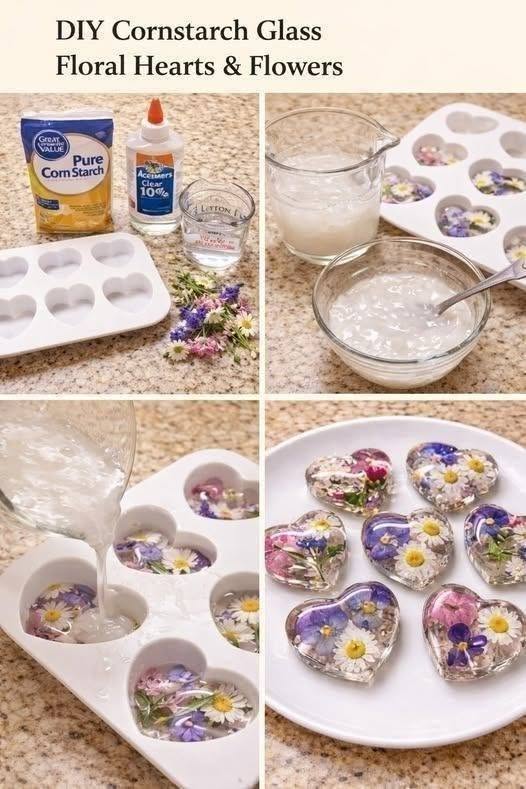
Before turning on any heat, combine 1 cup cornstarch, 1 cup baking soda, and ¾ cup water directly in a medium saucepan. Whisk vigorously for 60 seconds until the powders are completely hydrated into a smooth, lump-free liquid slurry.
ADVERTISEMENT
Place the saucepan over low heat and stir continuously, scraping the bottom of the pan to prevent scorching. Once the mixture hits its thermal threshold, it will thicken rapidly, pulling away from the pan sides and clumping into a singular ball. Remove from heat immediately—overcooking makes the dough dry and crumbly.
Scrape the hot dough onto a sheet of parchment paper. Cover the warm mass loosely with a clean, damp kitchen towel and let it rest for 10 to 15 minutes. The damp towel prevents the outer surface from drying into a hard, unworkable skin while cooling.
Divide the warm dough into small portions. Add a tiny drop of food coloring to each portion and knead until the color is uniform. Keep saturation light and pastel-toned; heavy dye blocks light transmission and reduces translucency.
Place a dough ball directly between two sheets of parchment paper. Roll out evenly using long, smooth strokes until the sheet reaches exactly ¼-inch thickness.
Press cookie cutters firmly through the dough to create hearts and flowers. Transfer cut shapes to a fresh sheet of parchment. Press a drinking straw near the top edge of each shape, twisting slightly to cleanly punch a hanging hole.
Allow shapes to air-dry at room temperature. Crucial: After approximately 12 hours, gently flip every piece over. Flipping balances evaporation on both sides, preventing surface tension from causing the ornaments to warp or curl.
Once hard and ceramic-like, gently buff any rough edges using ultra-fine sandpaper (400-grit or higher). Apply a thin, even coat of clear Mod Podge or acrylic sealant across all surfaces to protect against ambient humidity. Thread with ribbon and hang.
Creative Variations
-
Pressed Botanical Inlays: Place a tiny, flat pressed dried flower or leaf onto the surface of freshly cut dough. Roll over it gently once with a rolling pin to embed it flush into the matrix before drying.
-
Gilded Artisan Edges: Once fully dry and sealed, use a fine paintbrush to apply a thin border of metallic gold or silver paint along the outer edges for a classic cloisonné or leaded stained-glass look.
ADVERTISEMENT