ADVERTISEMENT
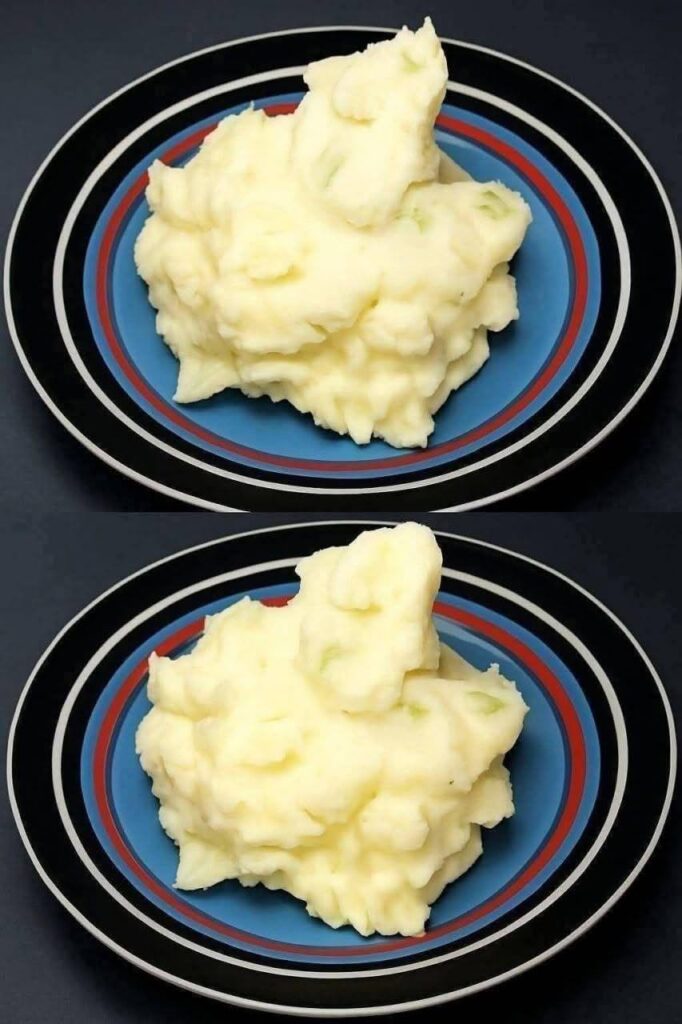
Mashed potatoes are one of the world’s most beloved comfort foods. Whether they’re served alongside roasted chicken, grilled steak, or a holiday feast, a bowl of smooth, creamy mashed potatoes can elevate almost any meal. Yet many home cooks struggle to achieve that light, fluffy texture found in restaurants.
The secret may surprise you: it isn’t about adding more butter or cream—it’s about how you cook the potatoes before mashing them.
Why Boiling Can Affect the Texture
Boiling is the traditional cooking method for mashed potatoes, but it has one major drawback. Potatoes naturally absorb water while they cook, especially if they are cut into small pieces before boiling.
ADVERTISEMENT
Excess moisture can dilute the potato’s natural starches, making the finished mash less flavorful and more difficult to achieve a rich, creamy consistency. In many cases, cooks compensate by mixing longer, which can release even more starch and create a dense or sticky texture.
While boiling certainly works and remains a common technique, reducing excess moisture can often produce better results.
A Better Cooking Method: Baking or Steaming
Many professional chefs prefer baking or steaming potatoes instead of boiling them.
Baking
Baking allows potatoes to cook in their own moisture rather than absorbing water from a pot. This helps preserve their natural flavor while creating a fluffy interior that’s perfect for mashing.
Simply bake whole russet or Yukon Gold potatoes at 400°F (200°C) until they are tender when pierced with a fork. Once slightly cooled, scoop out the flesh and mash immediately.
Steaming
Steaming is another excellent option because it cooks potatoes gently without saturating them with water. The result is a lighter texture and a more concentrated potato flavor.
Choose the Right Potatoes
See more on the next page to continue reading →
ADVERTISEMENT