ADVERTISEMENT
Discover why more gardeners are choosing to leave tomato suckers on their plants. Learn how suckers can boost yields, improve plant health, and increase tomato production naturally.
Are You Making This Common Tomato Gardening Mistake?
For generations, gardeners have been told to remove tomato suckers—the small shoots that appear between the main stem and leaf branches. This traditional gardening advice has become so widespread that many gardeners prune suckers automatically without questioning whether it’s truly necessary.
But what if removing suckers is actually reducing your harvest?
ADVERTISEMENT
Today, many gardening experts and experienced growers are rethinking this long-standing practice. In many cases, allowing tomato suckers to grow can lead to stronger plants, increased fruit production, and a healthier garden overall.
Let’s explore why leaving tomato suckers alone might be one of the best decisions you can make for your tomato plants.
What Are Tomato Suckers?
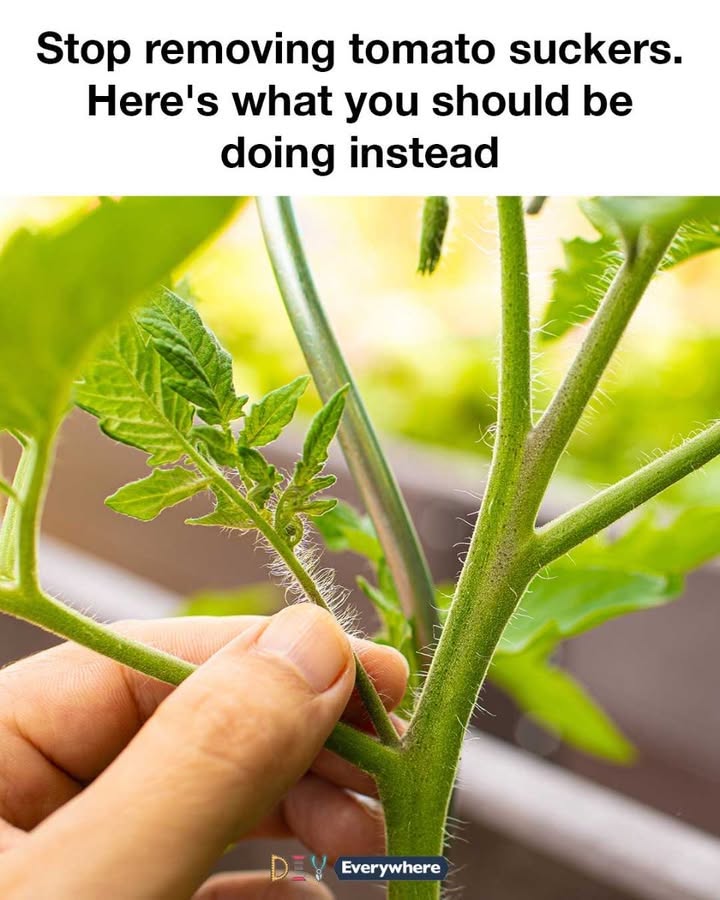
Tomato suckers are secondary shoots that develop in the “V” formed between a leaf branch and the main stem.
These shoots are completely natural and have the ability to grow into full branches capable of producing:
- Leaves
- Flowers
- Additional fruit clusters
- New growth points
Suckers are especially common on indeterminate tomato varieties, which continue growing and producing fruit throughout the season.
Rather than being unwanted growth, suckers are simply another part of the plant’s natural development process.
Why Gardeners Traditionally Remove Suckers
For many years, gardeners believed that removing suckers would force the plant to direct more energy toward existing fruit.
The most common reasons for pruning suckers include:
- Producing larger tomatoes
- Improving airflow
- Increasing sunlight exposure
- Making plants easier to manage
- Reducing overcrowding
While these benefits can sometimes apply in specific situations, recent gardening research suggests that routine sucker removal may not always be necessary.
The Hidden Downsides of Removing Tomato Suckers
Before reaching for your pruning shears, consider some potential disadvantages.
Reduced Fruit Production
Every sucker has the potential to become a fruit-producing branch. Removing them means eliminating future flowers and tomatoes before they even have a chance to develop.
Increased Plant Stress
Pruning creates wounds that require energy to heal. Excessive pruning may place unnecessary stress on the plant, especially during hot weather.
Greater Disease Risk
Fresh cuts can become entry points for fungal infections, bacteria, and pests if tools are not properly sanitized.
How Tomato Suckers Can Increase Your Harvest
One of the strongest arguments for leaving suckers intact is increased yield.
Each sucker can eventually produce:
- New blossoms
- Additional fruit clusters
- More tomatoes throughout the season
Many gardeners report harvesting significantly more tomatoes from plants that were allowed to grow naturally compared to heavily pruned plants.
Although individual fruits may sometimes be slightly smaller, the total harvest is often much greater.
More Leaves Mean More Energy
Leaves are the plant’s energy factories.
Through photosynthesis, leaves convert sunlight into energy that fuels growth and fruit production.
When suckers grow into additional branches, they produce more leaves, which can:
- Capture more sunlight
- Increase energy production
- Support larger overall harvests
- Improve plant vigor
In many cases, more foliage translates directly into stronger, healthier plants.
Natural Protection Against Heat and Sun Damage
See more on the next page to continue reading →
ADVERTISEMENT